Glucosamine: joint benefits, use, forms and how to choose



Joint health matters at every stage of life. An active lifestyle, regular physical activity, body weight and age-related changes can all affect how your joints feel. That is why more and more people take an interest in nutrients and food supplements linked to comfortable movement. One of the most discussed is glucosamine.
Glucosamine is a substance naturally present in the human body, involved in the formation of cartilage and components of other connective tissues. In food supplements it is often combined with chondroitin, collagen and other substances.
This article looks at what glucosamine is, its forms and doses, possible side effects and how to compare the most popular joint supplements.
What is glucosamine and why is it used?
Glucosamine is an amino sugar naturally found in the human body. It takes part in the formation of glycosaminoglycans and proteoglycans — substances that are important in the structure of cartilage and other connective tissues.
In supplements, glucosamine for joints is offered in various forms — on its own or combined with other ingredients. It is one of the most popular components in products intended for people who care about comfortable movement.
Important to know: although glucosamine is a component of the compounds involved in cartilage structure, that does not mean taking it as a supplement automatically rebuilds cartilage or eliminates joint wear.
Studies on the possible effect of glucosamine on joint pain and function in osteoarthritis produce mixed results. Its use therefore cannot be regarded as a proven method of treating osteoarthritis.
Glucosamine and chondroitin: why are they often combined?
The combination glucosamine with chondroitin is one of the most widespread in joint supplements. Chondroitin is a natural component of cartilage that helps provide its elasticity and its ability to withstand mechanical load.
Glucosamine and chondroitin are both linked to cartilage structure in the body, so manufacturers often include them in a single product.
What is the role of each substance?
- Glucosamine — takes part in the formation of glycosaminoglycans and proteoglycans.
- Chondroitin — is a component of cartilage and helps provide its mechanical properties.
What do the studies say?
It has not been convincingly proven that combining the two substances is always more effective than taking each one separately. Study results are ambiguous, and different medical organizations give different recommendations on using these substances in osteoarthritis.
When choosing a combined product, check the amount of both ingredients in a single daily dose and assess the overall composition of the product.
Glucosamine and collagen: which to choose?
When comparing glucosamine collagen, it is important to understand that these are two different substances frequently found in supplements intended for joint health.
Collagen is a structural protein found in cartilage, bones, ligaments, tendons and other connective tissues. It provides the structure of tissues and their mechanical strength. Glucosamine, in turn, is an amino sugar involved in the formation of certain components of cartilage structure.
The differences in one table
Criterion | Glucosamine | Collagen |
|---|---|---|
Type of substance | Amino sugar | Structural protein |
Role in the body | Takes part in the formation of cartilage components | An important structural component of connective tissues |
Popular forms | Sulfate, hydrochloride | Hydrolyzed collagen, collagen peptides, undenatured type II collagen |
Research directions | Mainly osteoarthritis and joint symptoms | Joint function, pain and connective tissue health |
Studies of collagen derivatives have observed a possible positive effect on osteoarthritis symptoms; however, these results should also be assessed according to the type of collagen used and the quality of the studies.
That is why the question of collagen or glucosamine has no single universal answer. The choice should rest on the product’s composition, individual needs and the available scientific information.
Combined products with both substances
In some supplements, glucosamine with collagen is combined to include several connective-tissue-related components in one product. When choosing such a product, pay attention to:
- the type and origin of the collagen;
- the form of glucosamine;
- the amount of each ingredient in the daily dose;
- other ingredients, such as vitamin C or chondroitin.
The presence of several ingredients does not in itself guarantee a better result. What matters is the overall composition and its suitability for the specific purpose of use.
Glucosamine forms and doses
In supplements, glucosamine is available in several chemical and product forms. The choice mainly depends on convenience of use and the product’s composition.
Sulfate and hydrochloride
Glucosamine sulfate is one of the most studied forms. Some studies used crystalline glucosamine sulfate, but those results cannot automatically be extended to all sulfate products. Glucosamine hydrochloride differs in chemical composition, and the study results of the two forms are not fully interchangeable.
Capsules, tablets and powder
Form | Advantages | What to pay attention to |
|---|---|---|
Capsules | Convenient to take, precise amount per serving | How many capsules make up one daily dose |
Tablets | Convenient to store and carry | Tablet size and excipients |
Powder | Suitable for those who do not want to swallow capsules | Serving size and dissolving instructions |
Combined products | Several ingredients in one product | The amount of each ingredient in the daily dose |
Glucosamine powder is an alternative for those who prefer powdered products. It is usually dissolved in water or another drink according to the manufacturer’s instructions. When choosing glucosamine 1500 mg powder, check whether the stated amount refers to one serving or to the whole package.
What does glucosamine 1500 mg mean?
Glucosamine 1500 mg is an amount frequently found in studies and product descriptions. However, it is not a universal recommendation for everyone — the doses and preparation types used in studies differ. Before choosing, check:
- whether 1500 mg refers to pure glucosamine or to the total mass of the compound;
- whether glucosamine sulfate or hydrochloride is used;
- how many servings are to be taken per day;
- whether the product also contains chondroitin or other substances.
Follow the manufacturer’s instructions and do not exceed the recommended daily dose.
Glucosamine side effects and reviews
Glucosamine is generally considered fairly well tolerated, but some people may experience adverse reactions. The most frequently mentioned glucosamine side effects are:
- nausea;
- abdominal discomfort and bloating;
- diarrhea or constipation;
- headache.
Who should pay special attention?
People taking medication that affects blood clotting. Glucosamine, especially together with chondroitin, can interact with warfarin and increase the risk of bleeding. In such cases, consulting a doctor before use is essential.
People with diabetes. In some people, glucosamine can affect blood glucose levels, so consulting a doctor before use is recommended.
People with a shellfish allergy. Some glucosamine is derived from shellfish shells, so check the origin of the product.
Pregnant and breastfeeding women. Safety information is limited, so use without consulting a doctor is not recommended.
If adverse reactions appear after taking it, stop using it and consult a healthcare professional.
Why do glucosamine reviews differ?
Online you can find very different glucosamine reviews: some users report better movement comfort, others feel no significant change. Experience can be influenced by individual health status, the type and severity of joint problems, the form and dose used, and the treatments used and lifestyle factors
User reviews are not scientific proof of a product’s effectiveness. The NICE guidelines also state that the evidence is insufficient to recommend glucosamine for treating osteoarthritis. A food supplement is not a substitute for medical treatment.
How to choose the best glucosamine?
When looking for the best glucosamine, you should not rely on popularity, price or advertising promises alone. Compare several criteria:
- Form — sulfate or hydrochloride; they are not identical.
- Amount — whether the actual glucosamine mass or the mass of the whole compound per daily dose is stated.
- Additional ingredients — chondroitin, collagen, MSM, vitamin C and their amounts.
- Product form — capsules, tablets or powder according to your convenience.
- Labeling — full composition, instructions for use, daily dose and warnings.
- Price — compare the number of servings and the amount of active substance, not just the package price.
A market example: Walmark Glucosamine Forte
Walmark Glucosamine Forte is one of the products found on the market that can serve as an example when comparing glucosamine-containing supplements. When assessing this or any other product, pay attention to the specific formula, the amount of glucosamine, additional ingredients and the manufacturer’s instructions. Brand recognition alone does not guarantee that a product will be the most suitable for everyone.
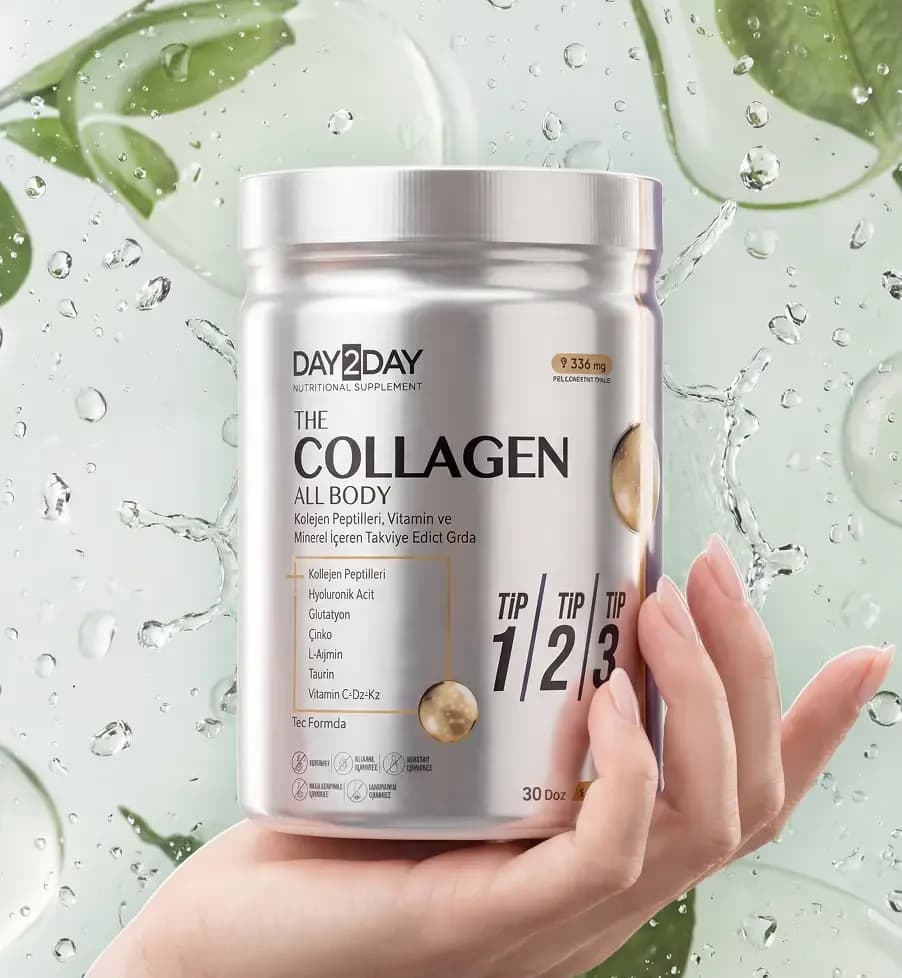
In the IQ Beauty catalog you can browse the range of food supplements, including Orzax products, and choose by comparing compositions and considering your needs. If you take medication or have chronic health problems, consult a doctor or pharmacist before choosing.
Conclusion
Glucosamine is a natural component of the body involved in the formation of cartilage structure components. It is one of the most used ingredients in supplements intended for joints, often together with chondroitin or collagen, but study results on its effectiveness are ambiguous.
When choosing a product, pay attention to the form, dose, composition and the manufacturer’s instructions. Caring for your joints starts with regular physical activity, a balanced diet, a suitable body weight and timely assessment of health problems — a supplement can only be part of the overall approach.
FAQ — Frequently Asked Questions

Find your perfect formula in the IQ Beauty catalog
View All Products






















Thinking about boosting immunity? Start with a -10% discount!
Get a welcome bonus on your first order of premium nutraceuticals.