Iron Supplements — How to Choose the Right Form and Restore Levels in the Body

Iron is one of the most important minerals in the human body. It is involved in oxygen transport, energy metabolism, immune system function and many other physiological processes. If this mineral is lacking in the body, cells receive less oxygen, so a person may feel tired, lose physical endurance and face various health disorders.
Deficiency develops gradually and can remain unnoticed for a long time, yet it is one of the most common nutrient deficiencies in the world. The risk is especially high for women of reproductive age, pregnant women, children, vegetarians, athletes and people with gastrointestinal diseases.
Timely diagnosis, a balanced diet and a properly chosen dietary supplement help maintain optimal levels and prevent more serious health problems. In this article, we will look at how to recognise a deficiency, what laboratory indicators show, how different forms differ and how to take them so that they are truly absorbed.
Why the Body Needs This Mineral and How Deficiency Develops
To understand why some people need a dietary supplement, it is first necessary to understand what work this mineral does in the body and why its stores can become depleted.
Key Role: Oxygen, Energy and Immunity
The body cannot produce this mineral on its own, so it must be obtained regularly from food. The main function is to participate in the formation of haemoglobin. Haemoglobin is a component of red blood cells that delivers oxygen from the lungs to tissues and organs. Without a sufficient amount, this process becomes less efficient, and tissues begin to suffer from oxygen starvation.
In addition, the mineral is involved in enzyme activity, energy production in cells, normal immune system function and helps maintain cognitive functions. Therefore, deficiency affects not only physical well-being, but also the ability to concentrate, mood and work productivity.
Bioavailability is also of great importance — that is, how efficiently the body is able to absorb a particular chemical compound. It is for this reason that two products with the same number on the packaging can work completely differently.
Iron Deficiency — How Does It Form?
The mineral is stored in reserves in the body, but these reserves are not unlimited. If too little is consumed with food for a long time, or loss becomes greater than intake, the reserves gradually decrease.
The most common causes are:
- insufficient intake with food or a monotonous diet;
- increased blood loss during menstruation;
- pregnancy and the breastfeeding period;
- intense physical exertion and endurance sports;
- impaired absorption in the case of gastrointestinal diseases;
- chronic diseases and inflammatory processes;
- refusal of animal-derived products without a thoughtful replacement.
At first, the body uses accumulated reserves, so a person may not feel symptoms for several months. When the reserves are exhausted, the first signs appear.
Signs That Should Not Be Ignored
Deficiency develops gradually, and the first signs are often attributed to stress, work pace or season. The most characteristic symptoms:
- chronic fatigue that does not go away even after rest;
- drowsiness during the day;
- reduced physical endurance;
- shortness of breath with light exertion;
- pale skin and mucous membranes;
- cold hands and feet;
- headaches and dizziness;
- brittle nails and increased hair loss;
- difficulty concentrating, forgetfulness;
- accelerated heartbeat;
- unusual taste cravings, for example, a desire for ice.
If these signs persist for several weeks, it is recommended to consult a doctor and not start taking supplements on one's own initiative.
Blood Tests: How Do Haemoglobin and Ferritin Differ?
To accurately assess the body's reserves, it is not enough to evaluate how one feels. Blood tests are needed, in which several indicators are determined, and it is here that confusion often arises.
Haemoglobin shows the current oxygen transport capacity — this is an indicator of what is happening today. Ferritin, on the other hand, characterises accumulated reserves, that is, the body's "warehouse". Reserves are depleted first, so a drop in ferritin usually appears several months earlier than changes in haemoglobin.
In practice, this means: a person may have normal haemoglobin, but already reduced iron reserves and pronounced symptoms. Therefore, a doctor often evaluates both indicators together, as well as red blood cell parameters and, if necessary, inflammation markers, because inflammation can artificially raise ferritin.
When Deficiency Progresses to Anaemia
If the condition is not corrected in time, the body can no longer produce a sufficient amount of haemoglobin, and iron-deficiency anaemia develops.
At this stage, cells and tissues receive an insufficient amount of oxygen, so a person may face:
- pronounced weakness from the morning;
- significantly reduced work capacity;
- accelerated heartbeat and heart palpitations;
- shortness of breath during daily activities;
- pronounced pallor of the skin;
- difficulties with concentration and memory.
In such a situation, medical supervision and properly chosen therapy are necessary, not self-treatment.
Consequences of Iron Deficiency in the Body — What Prolonged Deficiency Causes
A long-term uncorrected condition affects almost all body systems. Physical and mental performance decreases, the condition of skin, hair and nails deteriorates, infections occur more frequently because immune system function suffers. The heart has to work harder to compensate for the lack of oxygen, and this creates an additional load in the long term.
In children and adolescents, a prolonged problem can affect growth and academic performance, while in pregnant women it can increase the risk of premature birth and low birth weight. That is why timely diagnosis is much simpler and cheaper than dealing with the consequences.
Iron in Foods — Main Dietary Sources
In everyday life, the mineral can be obtained from both animal and plant-based foods. A balanced diet is the main prerequisite for maintaining normal reserves.
Form | Description | Main Sources | Absorption |
|---|---|---|---|
Haem form | Animal-derived form with high bioavailability | Beef, liver, poultry, fish | High (15–35%) |
Non-haem form | Plant-derived form, influenced by other dietary factors | Lentils, beans, buckwheat, spinach, nuts, seeds | Lower (2–20%), improved by vitamin C |
The absorption of plant-based sources is significantly improved by vitamin C — for example, lentil soup together with fresh vegetables or buckwheat with peppers works better than the same products separately. On the other hand, coffee, black tea and dairy products during a meal inhibit absorption.
However, for people with increased needs or a laboratory-confirmed deficiency, food alone is not always enough. In such cases, a doctor may recommend a suitable dietary supplement.
Comparison of Forms — Which Supplement to Choose?
Dozens of products are available today, and their composition, chemical form and absorption capacity can differ significantly. Therefore, choosing a product based solely on price or a friend's recommendation is not the best solution. It is much more important to understand what form is in the composition, how well it is absorbed and whether it is suitable for the specific situation.
The body does not absorb all forms equally efficiently. That is why in recent years increasing attention has been paid to products with higher bioavailability and better tolerability.
Haem Iron
This is the form that occurs naturally in animal-derived products. In the body, it is absorbed more efficiently than the plant-derived form, because its absorption is less affected by other dietary factors — phytic acid, polyphenols or calcium.
That is why people who regularly eat meat and fish in their diet experience deficiency less often than those who completely refuse animal-derived products.
Iron Sulphate
Sulphate is one of the most commonly used forms in medicine. Its effectiveness is well studied, the cost is low, and this form has been used for decades, including for correcting pronounced deficiency under a doctor's supervision.
However, for some people it may cause gastrointestinal side effects, for example:
- a feeling of heaviness and burning in the stomach;
- nausea, especially when taken on an empty stomach;
- constipation or, less commonly, diarrhoea;
- abdominal discomfort and bloating;
- a metallic aftertaste in the mouth.
Therefore, for patients with a sensitive digestive system, doctors often choose gentler alternatives or recommend a lower dose in a less frequent regimen.
Iron Bisglycinate
Bisglycinate is one of the most modern forms. It is bound to the amino acid glycine, which helps improve absorption and at the same time reduces the risk of mucosal irritation, because the compound reaches the intestines in a relatively stable form.
Advantages of this form:
- high bioavailability even in lower doses;
- good tolerability during long-term use;
- lower risk of digestive disorders;
- a more neutral taste in liquid products;
- less interaction with dietary components.
It is for these reasons that this form is becoming increasingly popular in dietary supplements, especially for women with a prolonged but not critical deficiency.
Iron Chelate
Chelate forms are bound to organic molecules that help the mineral reach the body more efficiently and interact less with other dietary components.
Main advantages:
- good absorption;
- high tolerability;
- lower risk of mucosal irritation;
- suitability for people with a sensitive digestive system.
That is why many modern dietary supplements use chelate forms of minerals.
Iron Tablets
Tablets and capsules remain the most popular dosage form. They are easy to use, precisely dosed, convenient to store and suitable for long-term use. Some products have a coating that allows the active ingredient to be released more slowly and gently.
However, for people with a sensitive stomach or swallowing difficulties, it is sometimes necessary to choose a different dosage form or a product with better tolerability.
Iron Ampoules
Liquid forms or ampoules are often chosen by people who have difficulty swallowing tablets, as well as children, because the dose can be flexibly adjusted.
Depending on the product, they may be convenient for daily use, but it is important to consider the taste, storage conditions after opening and possible tooth enamel staining — this is prevented by drinking through a straw and rinsing the mouth.
Comparison Table of Forms
Form | Advantages | Possible Drawbacks | Suitable For |
|---|---|---|---|
Bisglycinate | High bioavailability, gentle action | Usually higher price | Daily use and sensitive stomach |
Chelate | Effective absorption, good tolerability | May be more expensive | People with a sensitive digestive system |
Sulphate | Widely available, well studied, cost-effective | May cause digestive discomfort | On doctor's recommendation, in case of pronounced deficiency |
Microencapsulated form | Reduced direct contact with mucosa | Not available in all products | Those for whom other forms are difficult to tolerate |
Tablet or capsule | Precise dose, convenient storage | Not easy for everyone to swallow | Daily use in the long term |
Liquid form | Easy to dose and swallow | Depends on the specific product | Children and people with swallowing difficulties |
How to Take the Supplement So That It Is Absorbed
Even the highest quality product will not be sufficiently effective if it is taken incorrectly. Absorption is affected by both food and drinks and other dietary supplements.
To improve the result, it is recommended to:
- take the product according to the doctor's or manufacturer's instructions;
- combine it with vitamin C or acidic vegetables and fruits;
- drink a sufficient amount of water;
- maintain the same time every day;
- continue the course for as long as the doctor has indicated — reserves are restored more slowly than well-being improves.
At the same time, one should not take simultaneously:
- coffee and black tea;
- dairy products;
- calcium or zinc supplements;
- medications that reduce stomach acid without the doctor's knowledge.
An interval of at least two hours is recommended between these products and supplement intake.
Iron Vitamins — Additional Ingredients in Product Composition
Many products contain not only the main mineral, but also other nutrients that help ensure more efficient absorption and a complete blood formation process. Most commonly found in the composition:
- vitamin C — improves absorption;
- folic acid — participates in blood formation;
- B12 and other B-group vitamins;
- copper — necessary for the transport of the mineral in the body.
Such combinations allow supplementing the diet with several interrelated nutrients at once, but the composition should always be compared with products already being taken so as not to exceed the recommended doses.
Who Needs Special Attention and How to Choose a Product
Although a sufficient amount of the mineral is important for everyone, there are several groups whose need is significantly higher. This is related to growth, hormonal changes, increased blood loss or physiological changes at different stages of life.
Iron Deficiency During Pregnancy
During pregnancy, significant changes occur in a woman's body. The volume of circulating blood increases, the placenta and foetus develop, so the need for the mineral increases significantly — especially in the second and third trimesters.
If the expectant mother does not receive a sufficient amount, the body first uses its own reserves. In the case of prolonged deficiency, the haemoglobin level decreases and anaemia may develop, which affects both the mother's well-being and the foetus's development.
Therefore, laboratory indicators are regularly monitored during pregnancy. Timely detection helps avoid a more serious deficiency and helps ensure optimal conditions for both.
Iron Supplements for Pregnant Women
The choice during pregnancy must be individual. It is determined by the attending doctor or midwife, evaluating the test results and health condition. Attention is usually paid to:
- the chemical form and its tolerability;
- bioavailability;
- dose and frequency of use;
- additional components, especially folic acid;
- side effects that may worsen nausea or constipation.
During pregnancy, it is especially important to avoid self-treatment, because both deficiency and excessive intake are undesirable.
Iron Supplements for Children
In a child's body, the mineral is needed not only for blood formation, but also for brain development, growth and immune system function. During periods of rapid growth, the need increases, and a monotonous diet does not always cover it.
The paediatrician evaluates the need for a supplement, taking into account:
- the child's age and weight;
- dietary diversity;
- growth rate;
- laboratory test results;
- previous illnesses and absorption disorders.
Parents should not give supplements to a child prophylactically without a specialist's recommendation — overdose in childhood is dangerous. The correct dose and product type is always determined by a doctor.
Iron Vitamins for Women
Women's needs are usually higher than men's, and this is mainly determined by regular blood loss during menstruation. Additional needs may arise:
- during pregnancy and the breastfeeding period;
- during intensive sports training;
- after prolonged or heavy bleeding;
- when following a strict plant-based diet;
- after surgery or blood donation.
Therefore, women are recommended to regularly monitor their reserves and, if necessary, consult a doctor about the most suitable solution, rather than waiting until fatigue becomes unbearable.
Iron Infusion
It is not always possible to eliminate deficiency through diet or orally administered agents. If the body has a pronounced lack, impaired absorption, chronic intestinal disease or it is necessary to quickly replenish reserves before surgery, a doctor may prescribe intravenous administration.
This procedure is carried out in a medical facility under the supervision of medical staff. It is not intended for prophylactic use and is prescribed only in specific clinical situations, evaluating test results.
Best Iron Supplements — Criteria for Evaluation
There is no single product that would be most suitable for everyone. The choice depends on several factors:
- laboratory test results;
- degree of deficiency;
- digestive system sensitivity;
- age and life stage;
- lifestyle and eating habits;
- doctor's recommendations and medications already being taken.
A quality product should preferably provide good bioavailability, high tolerability, a clearly stated composition and understandable instructions for use.
Iron Supplement Reviews — How Much Can They Be Trusted?
Other users' experience can give an idea of taste, convenience and tolerability, but it cannot replace a doctor's recommendations or scientifically based information. Each person's cause of deficiency, depth and digestive system sensitivity differs, so what worked excellently for one person may not suit another.
When evaluating reviews, it is more useful to pay attention to specific facts — composition, dose, duration of use — than to general statements about the result.
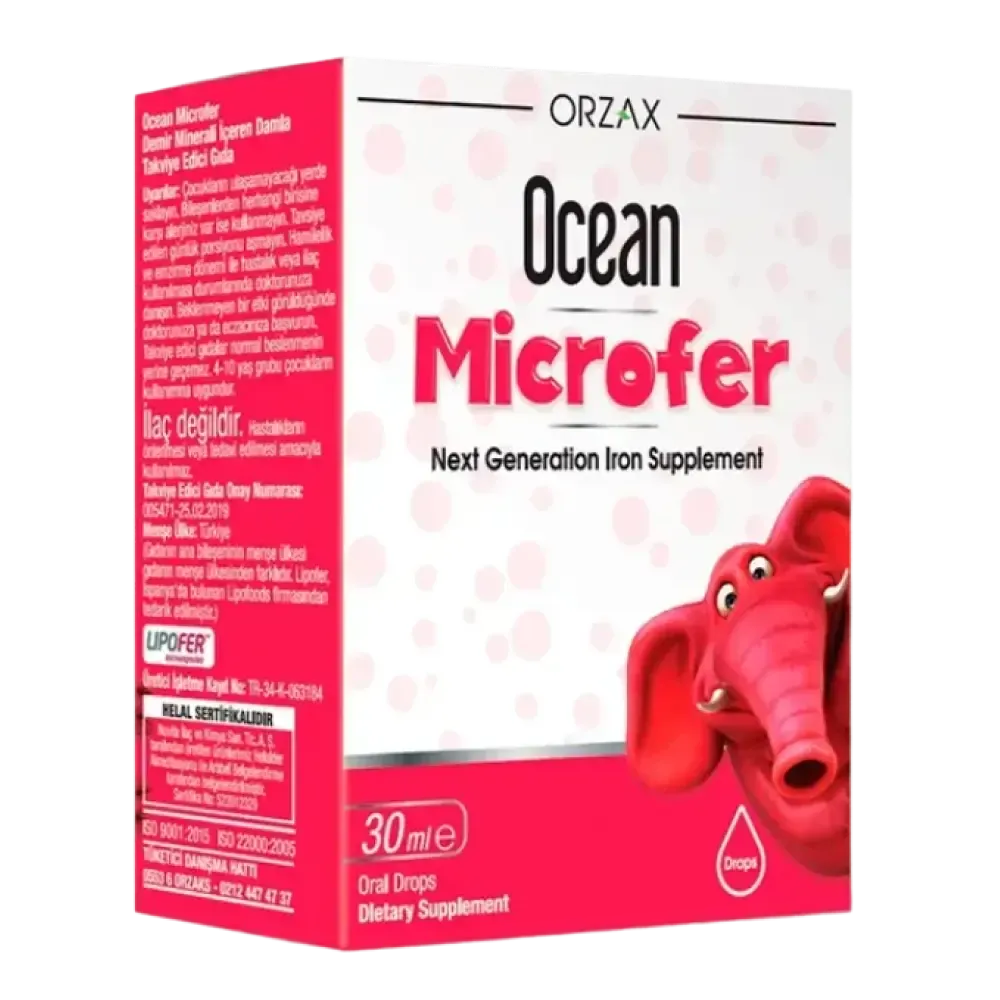
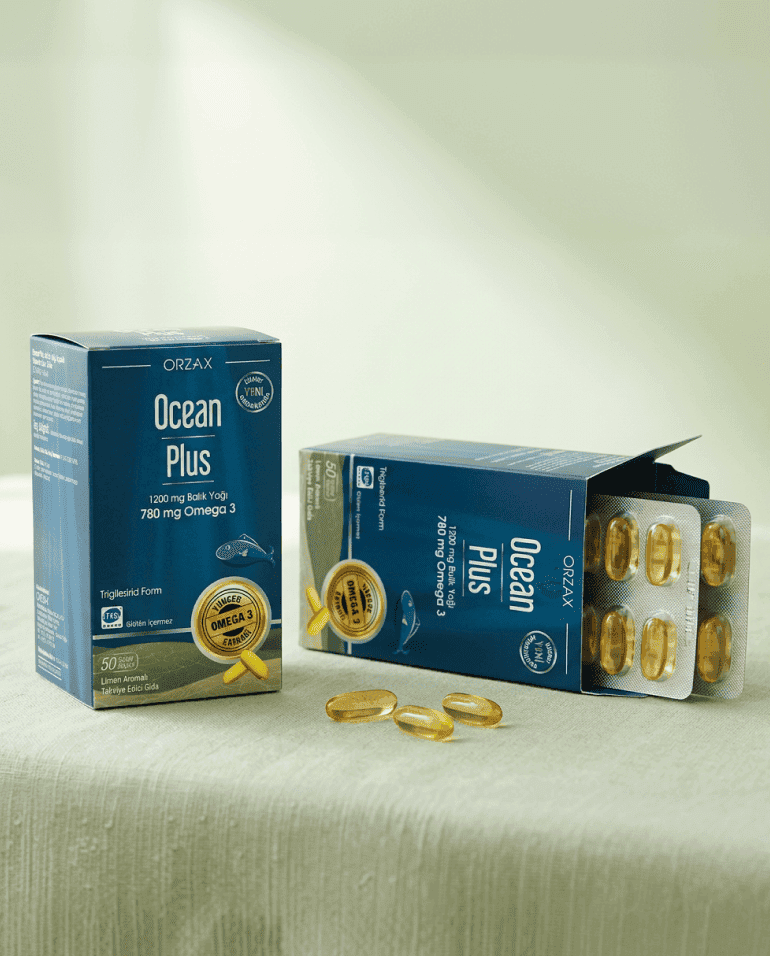
Orzax Ocean Microfer — A Modern Solution for Everyday Life
One of the modern dietary supplements that combines the aforementioned criteria is Orzax Ocean Microfer.
The product composition uses microencapsulated technology developed to improve tolerability and absorption. Microencapsulation helps protect the active ingredient and reduce direct contact with the gastrointestinal mucosa — this can be important precisely for those people for whom previous remedies caused discomfort in the stomach.
Orzax Ocean Microfer can be a suitable choice for people who want to supplement their diet with a quality source in everyday life. The product is intended for use according to the manufacturer's instructions and fits well into the overall picture of a balanced diet and a healthy lifestyle.
It is important to remember that dietary supplements do not replace a complete diet. If there is suspicion of a deficiency, it is first recommended to undergo laboratory tests and consult a healthcare specialist.
Conclusion
This mineral is one of the most important in the human body: it ensures oxygen transport, participates in energy metabolism, promotes normal immune system function and helps maintain good well-being in everyday life.
Most of the required amount can be obtained from a varied and balanced diet. However, in certain situations — during pregnancy, periods of intense physical exertion or in the case of a laboratory-confirmed deficiency — a supplement may be necessary.
When choosing a product, it is important to consider not only the chemical form, but also bioavailability, tolerability and the individual needs of the body. Regular health check-ups, a balanced diet and adherence to a doctor's recommendations help maintain optimal levels in the long term.
FAQ — Frequently Asked Questions



.png&w=3840&q=75)






Thinking about boosting immunity? Start with a -10% discount!
Get a welcome bonus on your first order of premium nutraceuticals.