Berberine – what it is and how it works in the body

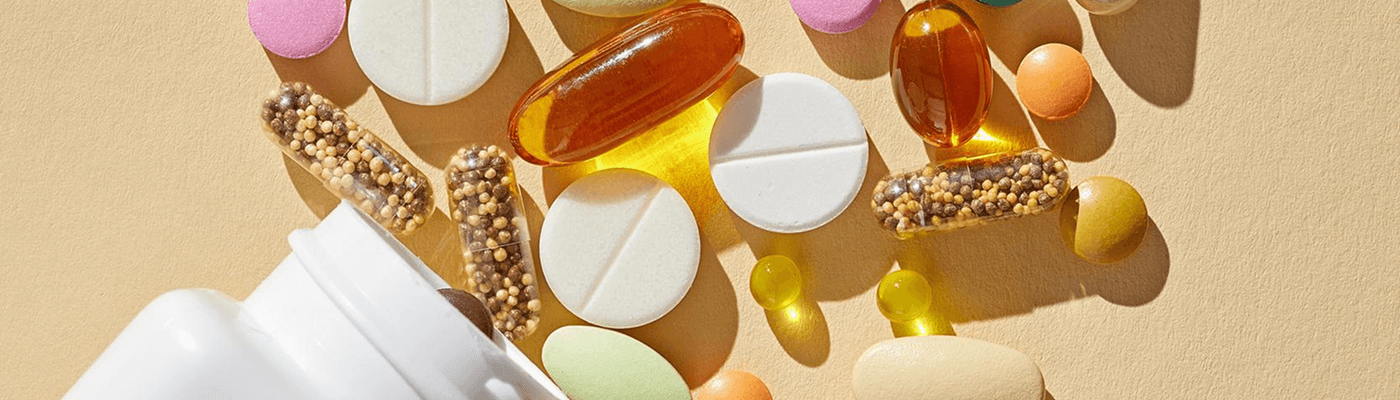
Berberine is a naturally occurring bioactive compound found in several medicinal plants, including barberry (Berberis), goldenseal, and other plant species. In the scientific literature, it is classified as an alkaloid that can influence various metabolic processes in the body.
In recent years, berberine has attracted increasing attention, driven by a growing number of studies suggesting its potentially beneficial effects on metabolism, glucose homeostasis, and heart health.
Many specialists call this substance a natural alternative for metabolic support, as it affects multiple mechanisms simultaneously. Particular attention is paid to its ability to activate the enzyme AMPK, which is often referred to as the body's "metabolic switch."
For this reason, the dietary supplement berberine is also becoming increasingly popular and is used as part of a balanced lifestyle.
Berberine for health – impact on metabolism and blood sugar levels
One of the main reasons people are interested in berberine is its potential effect on metabolic processes.
Studies indicate that berberine may help improve the body's ability to use glucose more efficiently, which is a key energy source for cells. This is precisely why this compound is often studied in relation to insulin sensitivity and metabolic disorders.
Special focus is placed on individuals diagnosed with diabetes or those at increased risk of developing it. However, dietary supplements are not intended to treat diseases and cannot replace therapy prescribed by a doctor.
In recent years, social media has often compared berberine and Ozempic, but these substances work differently. Ozempic is a prescription medication with a specific mechanism of action, whereas berberine is a plant-derived compound whose effects are linked to metabolic regulation and AMPK activation.
Although both products are frequently mentioned in the context of weight loss, their principles of action are not the same and they should not be considered interchangeable.
Berberine usage – how to take the dietary supplement correctly
Usage recommendations may vary depending on the product's composition and the concentration of the active ingredient.
Various options are available on the market, including:
- berberine 500 mg;
- berberine 1000 mg;
- berberine 2000.
Many manufacturers recommend dividing the daily dose into several intakes, as berberine's duration of action in the body is relatively short.
Specialists often suggest taking the product with meals or shortly before a meal, but exact instructions should always be found on the specific product's packaging.
To improve absorption, some manufacturers combine berberine with:
- MCT oil;
- black pepper extract;
- alpha-lipoic acid;
- chromium;
- cinnamon extract.
Such combinations are often used to increase bioavailability and ensure more effective utilization of the active compounds in the body.
Berberine reviews – what users say about the results
User experiences are very diverse, but reviews most frequently mention a positive effect on well‑being and control of eating habits.
Berberine reviews often indicate:
- better satiety;
- less craving for sweets;
- more energy in daily life;
- positive changes during lifestyle adjustments.
It is important to recognise that the effects of dietary supplements are not the same for everyone – they depend on many factors. Aspects influencing results include diet, physical activity, sleep quality, and overall health status. Experience shows that the best results can be expected when supplementation is combined with a healthy lifestyle.
Berberine hydrochloride – what forms are available on the market
Currently, several forms of berberine are available, which differ in absorption and bioavailability.
The most common form is berberine hydrochloride (HCI).
For comparison:
Form | Characteristic | Advantages |
|---|---|---|
Berberine HCl | Classic form | Widely available |
Phytosome (Berbevis®) | Enhanced absorption | Better bioavailability |
Dihydroberberine | More active metabolic form | Potentially more effective absorption |
Some specialists believe that enhanced forms may provide higher efficacy at lower doses, but the choice should be made individually.
Products labelled as berberins are also available on the market – this is the international designation for the substance in various countries.
Berberine side effects – possible risks and precautions
Like any biologically active substance, berberine can cause unwanted reactions.
The most commonly described side effects of berberine are related to the gastrointestinal tract:
- bloating;
- abdominal discomfort;
- cramps;
- diarrhoea;
- nausea.
Some people may also experience adverse effects related to individual sensitivity to the product or excessive dosage.
To reduce the risk of unwanted reactions, it is often recommended to start with a lower dose and gradually increase it.
It is also important to consider possible interactions with:
- hypoglycaemic medications;
- statins;
- blood pressure drugs;
- heart rhythm medications.
In such cases, consultation with a healthcare professional is necessary.
Berberine price – what affects the cost of the product
The cost of the product can vary significantly depending on composition, form, and the amount of active ingredients.
The price of berberine is most often influenced by:
- the form used;
- the number of capsules in the package;
- additional ingredients;
- the manufacturer's reputation;
- quality standards.
Higher-priced products often contain enhanced formulas or additional active substances designed to improve bioavailability.
Where to buy berberine – how to choose a quality product
Nowadays, berberine products are available in pharmacies, health food stores, and online.
"Where to buy berberine" is one of the most frequently asked questions, as the market offers a very wide range of products.
When choosing a product, it is advisable to check:
- the amount of active ingredient;
- the form of berberine used;
- quality certificates;
- the ingredient list;
- the manufacturer's reputation.
A quality product always provides detailed information about its composition and usage recommendations.
FAQ — Frequently Asked Questions
.png&w=3840&q=75)



Thinking about boosting immunity? Start with a -10% discount!
Get a welcome bonus on your first order of premium nutraceuticals.