Ashwagandha: Research, Uses and Safety

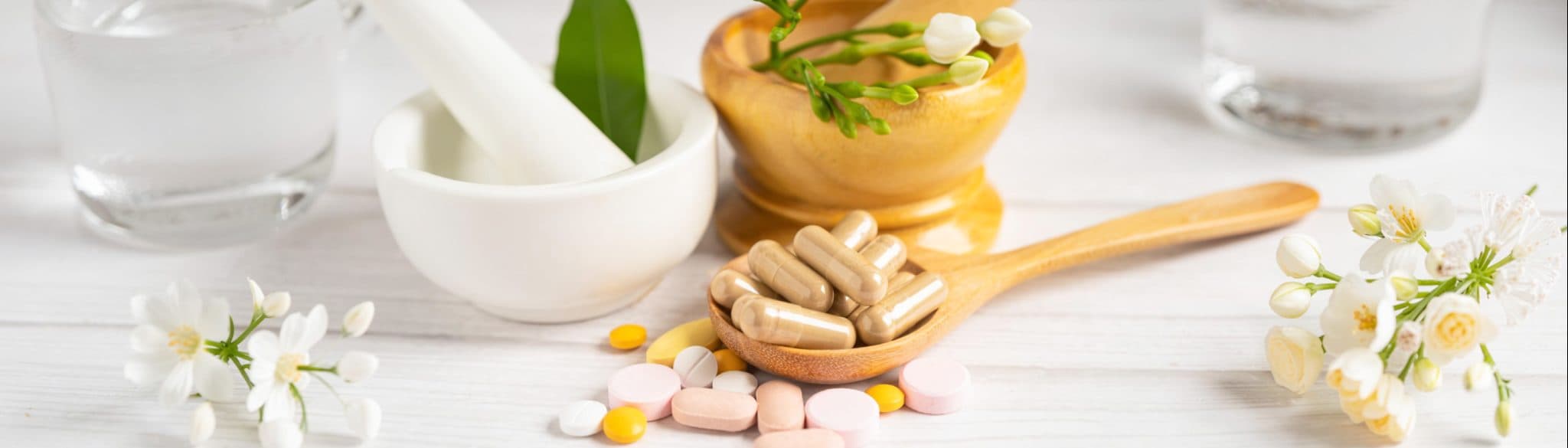

Ashwagandha is one of the most popular herbal dietary supplements in recent years. It is sought by people who feel tired, tense, or sleep poorly, and on social media it is often called a "natural remedy for stress." Behind the loud promises lies a plant with a long history, interesting research data, and real risks that are discussed less often.
In this article, we explain what ashwagandha is and how it works, what science says about its benefits, how to use it, what adverse reactions are possible, who should avoid it, and what to pay attention to when choosing a product.
What Ashwagandha Is and How It Works
A Plant with a Centuries-Long History
Ashwagandha (Withania somnifera) is a small shrub from the nightshade family that grows in India, the Middle East, and Africa. It is also called Indian ginseng or winter cherry. In Ayurveda, traditional Indian medicine, its roots have been used for more than 3,000 years — as a remedy for restoring strength, sleep, and general well-being.
Dietary supplements usually use the root or root extract. The leaves contain a different composition of active substances, and several institutions consider them less studied, so quality products are based specifically on the root.
Withanolides and the Concept of an Adaptogen
The main active substances are withanolides — steroidal lactones that, according to researchers, affect the body's stress response system, including cortisol release. That is why ashwagandha is classified as an adaptogen — plants that supposedly help the body adapt to physical and emotional stress.
An important nuance: "adaptogen" is not a medical or legal term. It describes traditional use, not proven effect, so this word on the packaging guarantees nothing by itself.
Benefits of Ashwagandha: What Research Shows
Researchers' interest in what ashwagandha can offer health has grown sharply over the past decade. Most clinical studies have been conducted with standardized root extracts; they are short — usually 6–12 weeks — and with a small number of participants. The overall picture looks like this.
Area | What Research Shows | Evidence |
|---|---|---|
Stress and anxiety | Lower subjectively perceived stress and lower cortisol levels when taking 250–600 mg of extract per day for 6–8 weeks | Moderate |
Sleep | Slight improvement in sleep quality, more pronounced in people with insomnia and when taken for at least 8 weeks | Moderate |
Physical performance | Slight increase in strength and endurance in combination with regular training | Limited |
Male fertility | Improved sperm parameters and testosterone levels in small studies with men who have fertility problems | Limited |
Memory and attention | Individual small studies with positive but inconclusive results | Limited |
Source: National Institutes of Health Office of Dietary Supplements (NIH ODS), systematic reviews and meta-analyses (2021–2022).
Most data concern stress and sleep. If the main problem is falling asleep and disrupted circadian rhythm, it is worth knowing about other options — read more in the article about melatonin.
Regulation should also be taken into account. In the European Union, ashwagandha has no approved health claims — herbal claims are still awaiting assessment. Therefore, responsible manufacturers do not promise on the packaging to "cure stress" or "normalize hormones," and such promises are a reason for suspicion, not for purchase.
Using Ashwagandha: Forms, Dose and Course
Capsules, Powder or Tincture
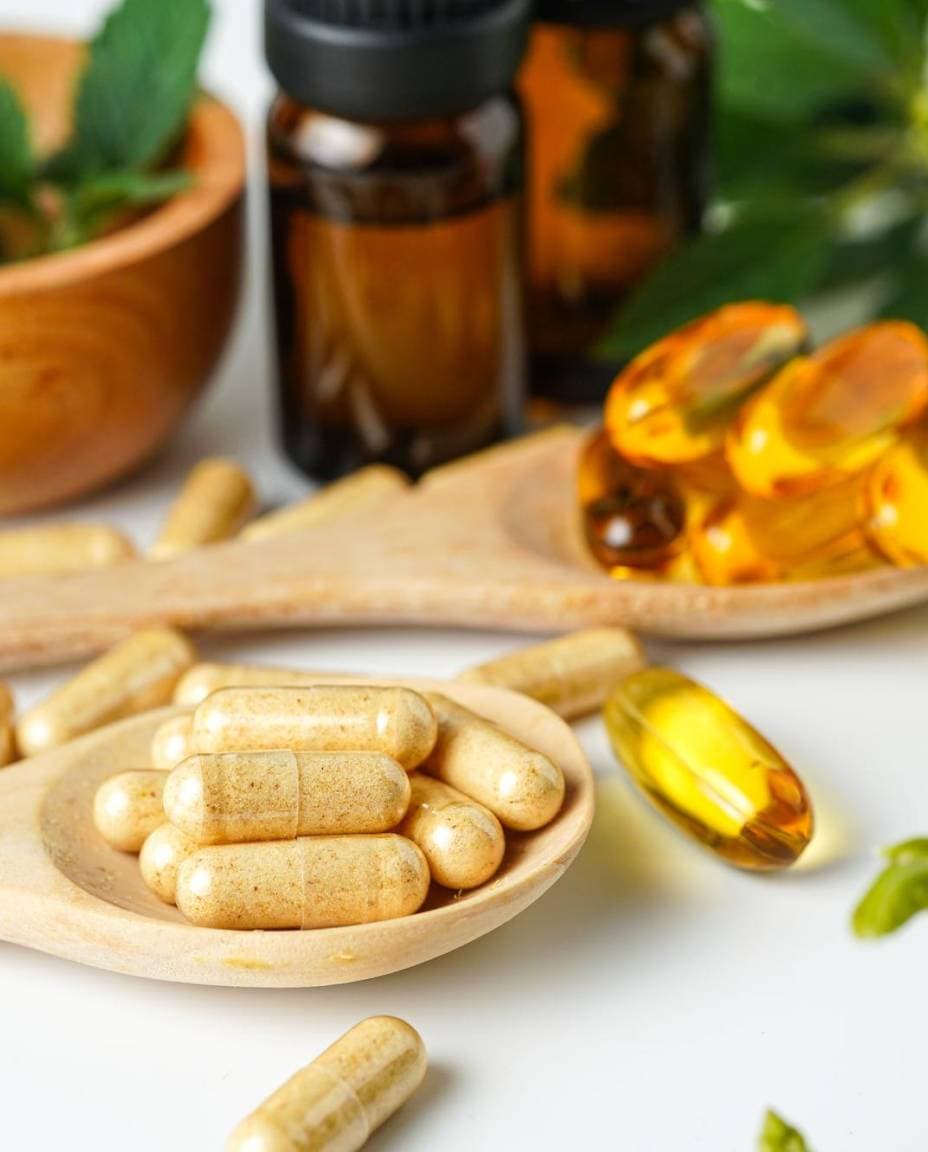
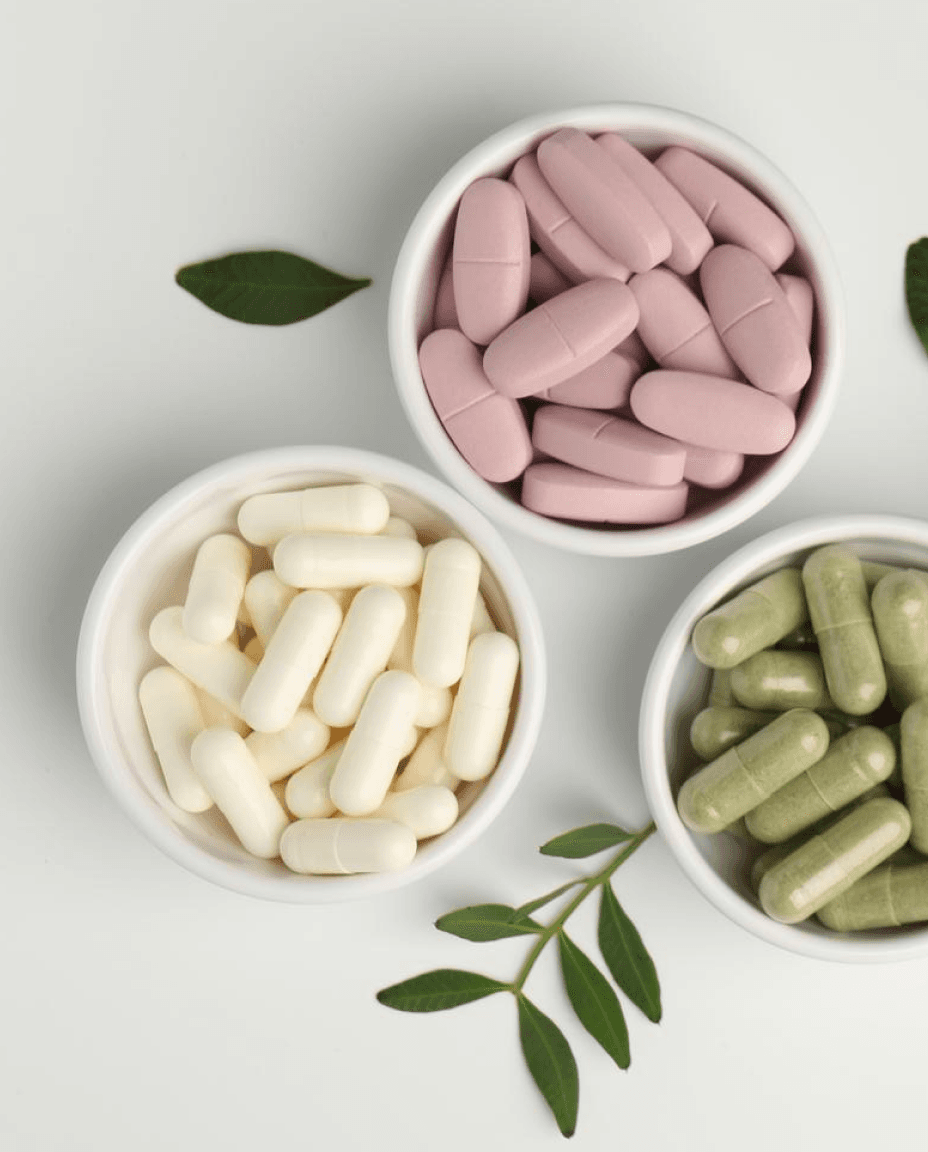
If you search for "ashwagandha capsules," you will find the widest selection, and that is no accident: capsules and tablets have a precise dose and usually a standardized extract. A more traditional form is ashwagandha powder from ground root, while the phrase "ashwagandha tincture" in a search shows liquid extracts in drop form. Forms differ not only in convenience but also in how predictable the dose of active substances is.
Form | Advantages | What to Pay Attention To |
|---|---|---|
Capsules and tablets | Precise dose, standardized withanolide content, no bitter taste | Need to check the amount of extract and the standardization percentage |
Root powder | Traditional form, can be added to warm milk or smoothies | Bitter taste; requires larger doses; active substance content is variable |
Tincture | Easy to dose in drops, quick to use | Usually contains alcohol; not suitable for drivers and people avoiding alcohol |
Tea | Gentle evening ritual | Few active substances, effect difficult to predict |
Comparison of forms prepared based on manufacturer information and NIH ODS data.
How to Use and For How Long
The use of ashwagandha in studies most often looks like this: 250–600 mg of standardized root extract per day, in one or two doses, for 8–12 weeks. The effect is not immediate — the first changes in well-being are usually felt after 2–4 weeks. Practical recommendations:
- take during or after a meal — this way the stomach is less irritated;
- if the goal is sleep, the dose is recommended to be taken in the evening;
- do not exceed the daily dose indicated by the manufacturer and do not combine several products with ashwagandha;
- after the course, take a break — the safety of long-term use has not been sufficiently studied.
Side Effects, Contraindications and Product Selection
Most Common Adverse Reactions
The query "ashwagandha side effects" is one of the most frequent, and justifiably so. Most people tolerate the plant well in short courses, but gastrointestinal complaints are possible (nausea, diarrhea, abdominal discomfort), as well as drowsiness and headaches.
Less often, but more seriously — cases of liver damage. They are described in medical literature, usually 2–12 weeks after starting use, and manifested as yellowing of the skin and whites of the eyes, itching, dark urine, and pronounced fatigue. If you notice such signs or any side effect of ashwagandha does not disappear, stop taking it and consult a doctor.
Who Should Avoid Ashwagandha
Ashwagandha is not recommended to be taken without a doctor's knowledge in the following cases:
- during pregnancy and breastfeeding — traditionally the plant was also used to induce abortion;
- in case of thyroid disease — ashwagandha can increase thyroid hormone levels;
- in case of liver disease and autoimmune diseases;
- when taking sedatives and sleeping pills, thyroid hormones, immunosuppressants, as well as medications that lower blood sugar or blood pressure;
- at least two weeks before a planned operation.
In Europe, the safety of ashwagandha is currently being actively discussed. Denmark banned it in food and dietary supplements in 2023 because it was impossible to determine a safe dose. Authorities in the Netherlands and France recommend that risk groups refrain from it, and a common safety assessment is awaited at the EU level. In Latvia, ashwagandha is available as a dietary supplement.
How to Choose a Product
Before buying, check four things.
- Raw material. The label must indicate that root or root extract was used, not leaves.
- Standardization. A quality extract indicates the withanolide content as a percentage and the amount of extract in milligrams per dose.
- Composition. In complexes with other plants or substances, check whether ashwagandha duplicates other supplements you take.
- Cost. The phrase "ashwagandha price" in a search shows a wide range, so compare the cost of a daily dose, not the package price. Also, "ashwagandha sale" is a reason to check the expiration date, not to buy more.
Customer experience that you find when searching for "ashwagandha reviews" can help you understand the taste of the product or the size of the capsules, but it says little about the effect — well-being is also influenced by sleep, stress, and the placebo effect. On the Latvian market, a frequently searched name is biofitus ashwagandha; evaluate it just like any other product — by raw material, standardization, and dose.
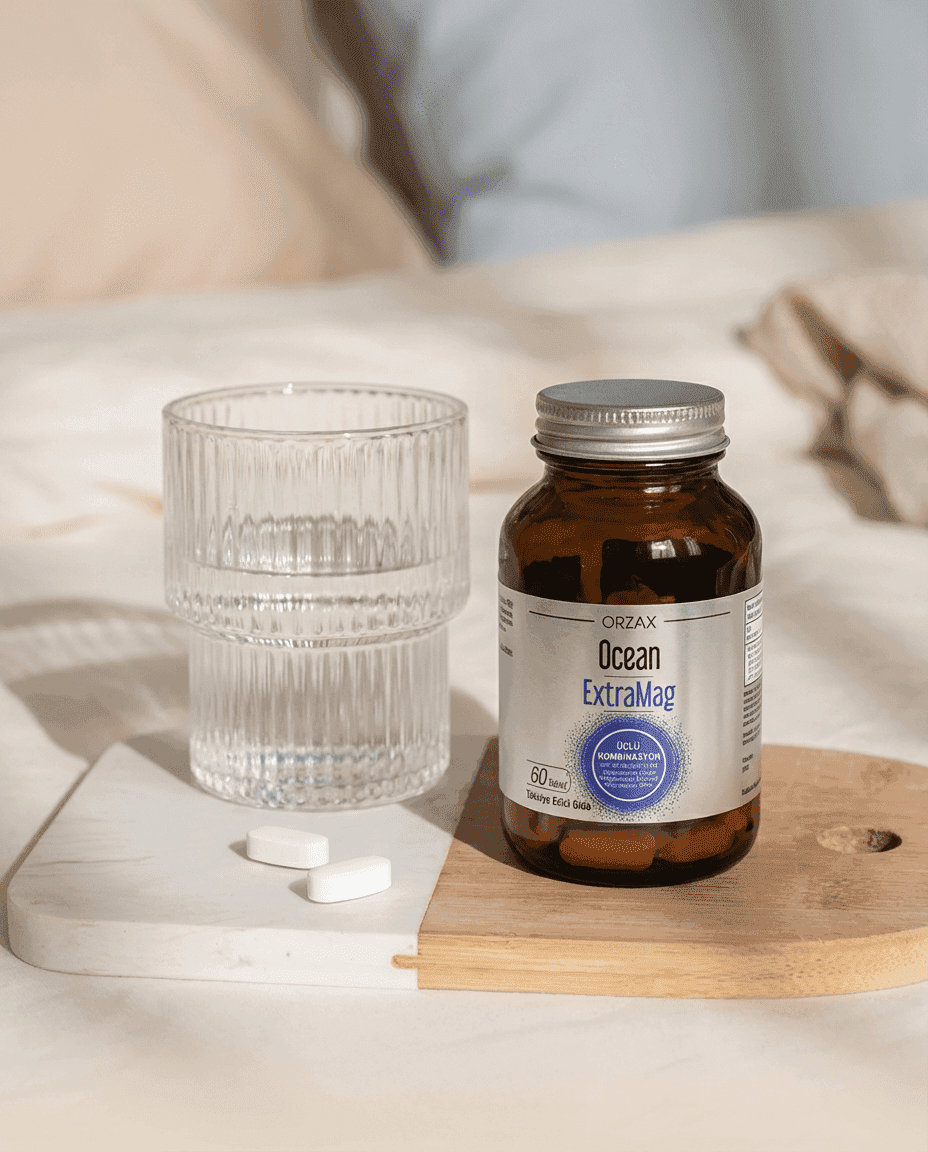
If your goal is to support the nervous system and reduce fatigue with substances whose effect is confirmed by EU-approved health claims, the IQ Beauty range includes Orzax Ocean Extramag. One sachet contains 250 mg of magnesium in the easily absorbed citrate form and 10 mg of vitamin B6 in the active P-5-P form. Magnesium and vitamin B6 help reduce fatigue and weakness, and also contribute to normal nervous system function and psychological function. The powder in sachets dissolves easily in water, without sugar, gluten, or lactose.
Conclusion
Ashwagandha is a plant with an ancient history and promising but still limited research data — most of all about stress and sleep. If you choose to use it, give preference to a standardized root extract, take it in courses of up to 12 weeks, and monitor your well-being. During pregnancy, in case of thyroid or liver disease, and when taking medications, first consult a doctor or pharmacist.
A dietary supplement does not replace a complete and balanced diet.
FAQ — Frequently Asked Questions











Thinking about boosting immunity? Start with a -10% discount!
Get a welcome bonus on your first order of premium nutraceuticals.