Vitamin C: Benefits, Daily Dose, Sources and Use


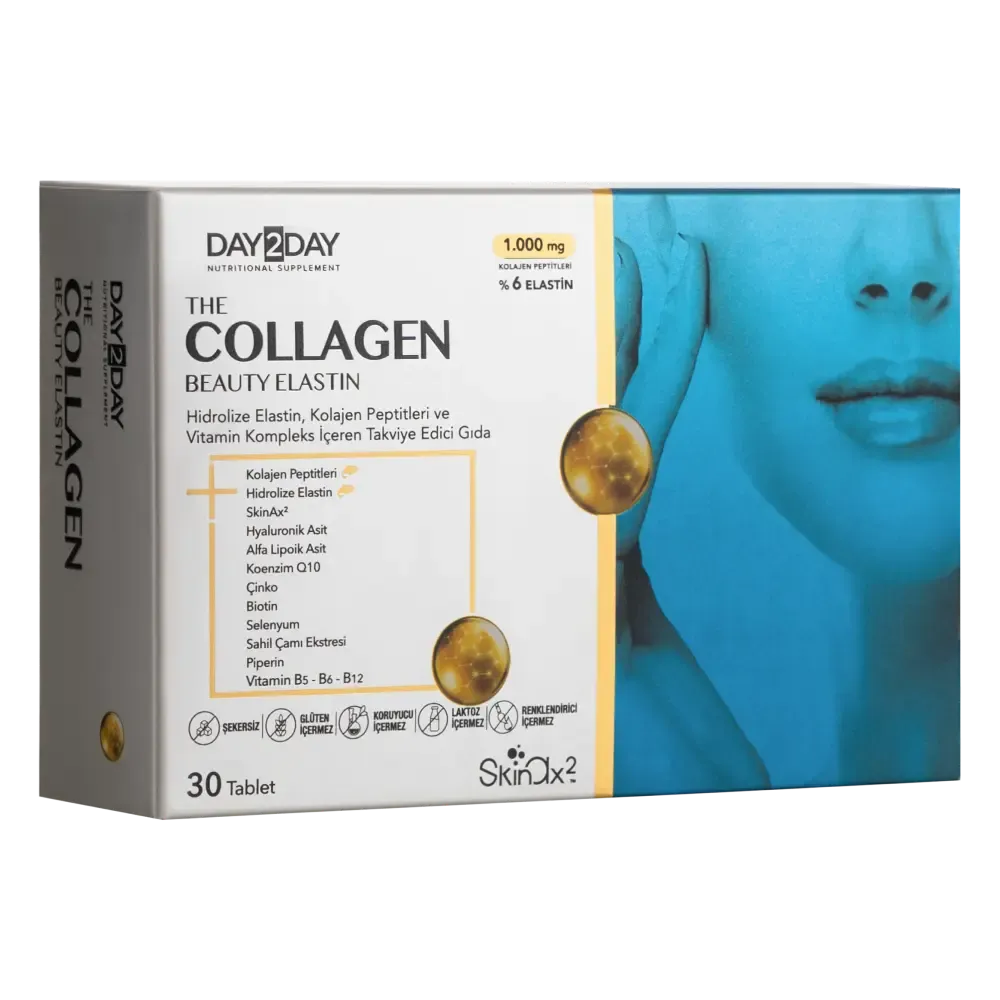
Vitamin C is a water-soluble vitamin that the body needs every day. It is involved in collagen formation, promotes iron absorption, helps maintain normal immune system function, and participates in protecting cells from oxidative stress.
The human body cannot synthesize vitamin C on its own and does not store it in large amounts, so it must be obtained regularly from food. A varied diet with fruits, berries, and vegetables usually provides most of the required amount, but in certain situations dietary supplements can also be helpful. In this article, we will look at the functions of vitamin C, the daily dose, natural sources, popular forms of dietary supplements, and principles of safe use.
What Vitamin C Is and Why the Body Needs It
Main Functions of Vitamin C
Vitamin C, or ascorbic acid, is a water-soluble compound with several important functions. It is involved in the synthesis of collagen, which is necessary for the normal functioning of skin, blood vessels, bones, cartilage, teeth, and gums. Vitamin C also improves iron absorption, especially from plant foods, so foods rich in vitamin C are best consumed together with legumes, grains, or leafy vegetables.
Vitamin C also acts as an antioxidant and helps protect cells from oxidative stress, which is caused, among other things, by free radicals. Several complementary antioxidants work simultaneously in the body’s defense, so overall a balanced diet is more important than large doses of a single substance.
Vitamin C and the Immune System
Vitamin C is also important for health because it supports normal immune system function — both in everyday life and after intense physical exertion. At the same time, it is important to remember that immunity depends on many factors: sleep, overall nutrition, physical activity, and stress levels.
Adequate vitamin C intake is part of a complete diet, but this does not mean that large doses prevent infections or replace treatment. If your health condition is a concern, consult a doctor first.
Vitamin C also participates in normal energy metabolism and helps reduce tiredness and fatigue. Therefore, sufficient intake is important both for everyday well-being and for maintaining normal body functions.
Vitamin C in Foods and Daily Requirement
Natural Sources of Vitamin C
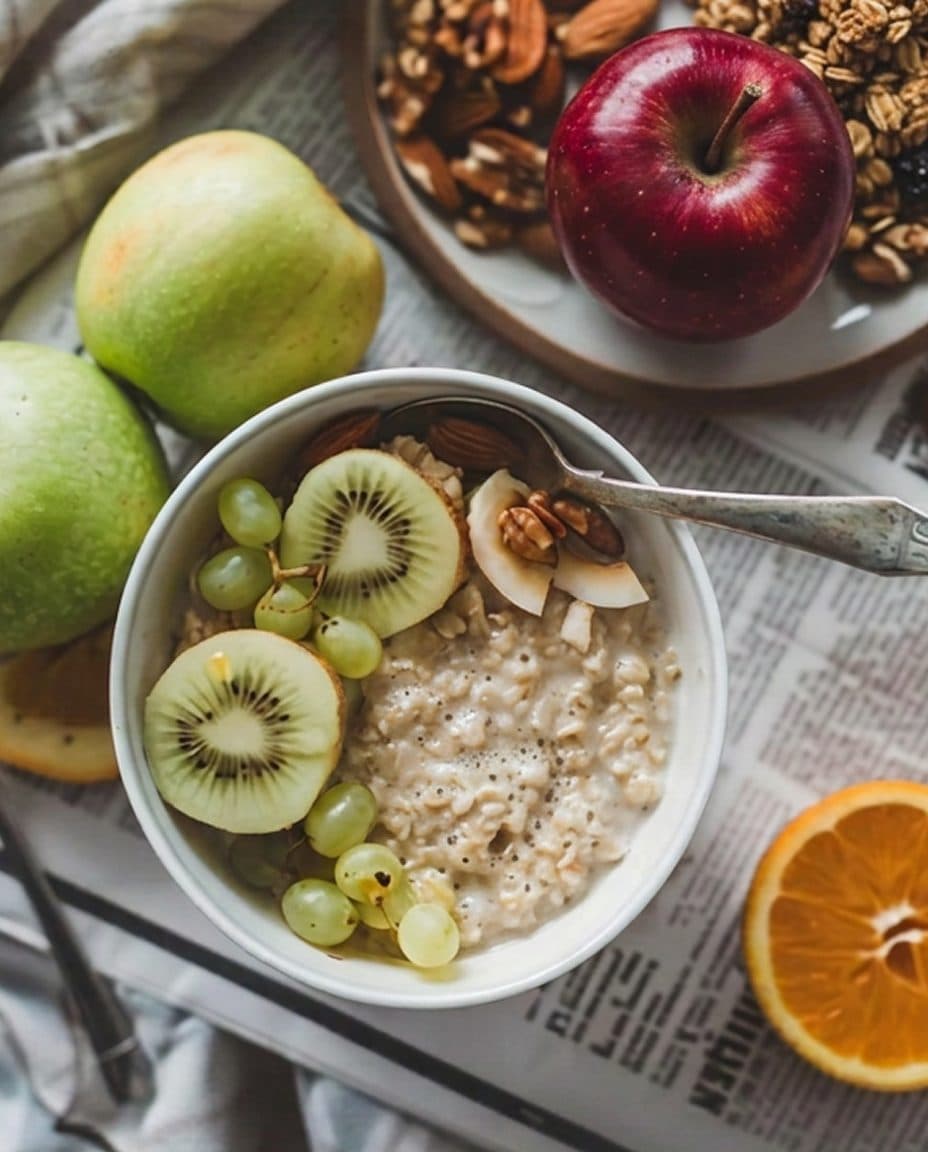
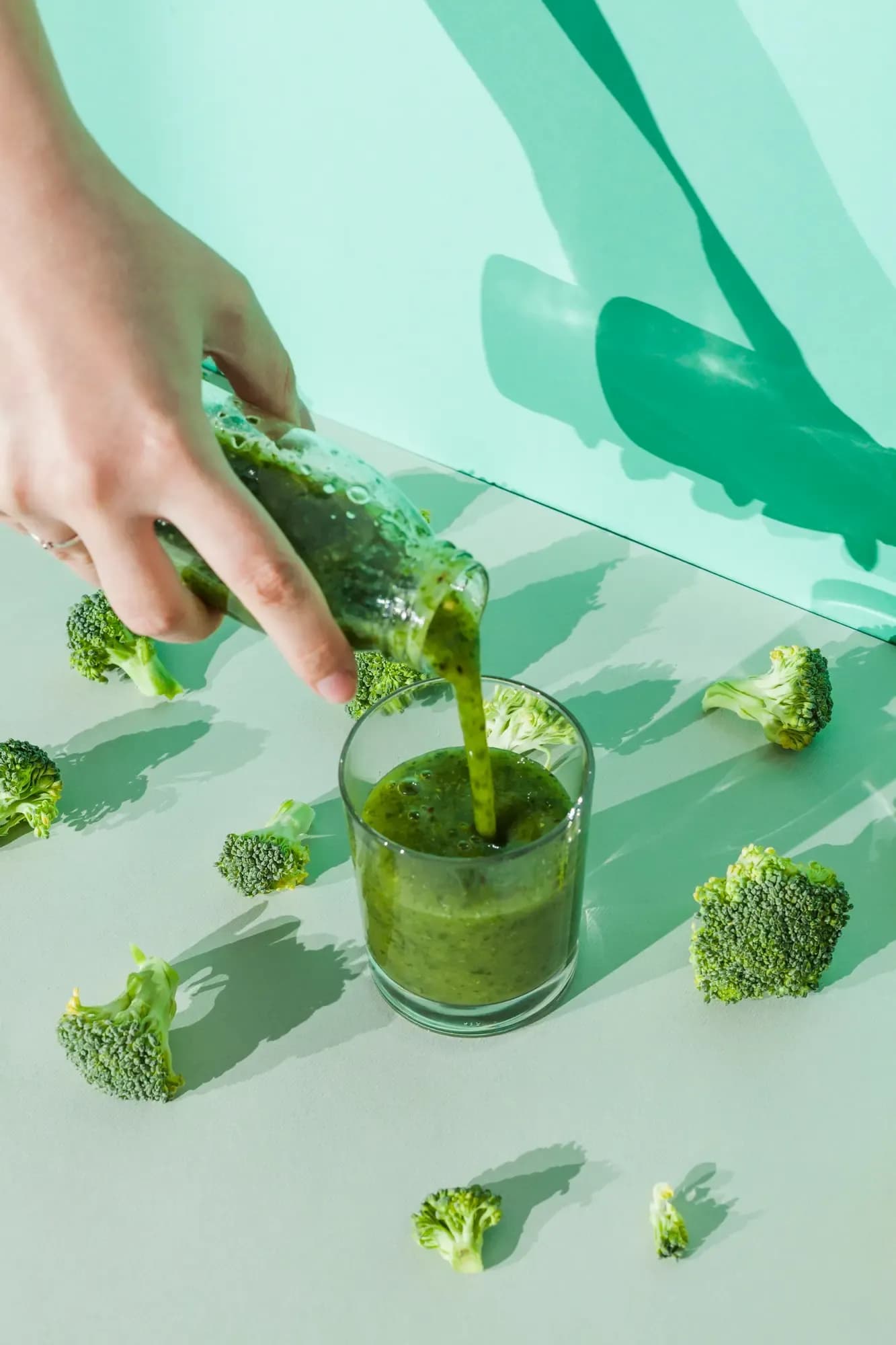
Vitamin C in foods is most commonly found in fresh fruits, berries, and vegetables. Particularly good sources are sweet peppers, citrus fruits, kiwi, strawberries, blackcurrants, broccoli, and Brussels sprouts.
The amount in the same product can vary significantly depending on the variety, degree of ripeness, storage duration, and heat treatment. Vitamin C is sensitive to heat, light, and air, so prolonged boiling partially destroys it, while steaming or short cooking preserves more.
Among natural sources, acerola is often mentioned. Acerola is particularly high in vitamin C, so acerola extract is used in various dietary supplements.
Product (100 g) | Approximate Vitamin C Content | Notes |
|---|---|---|
Acerola, fresh fruits | ~1000–1700 mg | One of the highest concentrations; available mainly as an extract |
Blackcurrant | ~180 mg | Retains well when frozen |
Red sweet pepper | ~130 mg | Retains more when fresh than after heat treatment |
Kiwi | ~90 mg | Convenient everyday source |
Broccoli | ~85 mg | Steaming preserves more than boiling |
Brussels sprouts | ~85 mg | Content decreases with prolonged cooking |
Strawberries | ~58 mg | Seasonal source |
Orange | ~53 mg | Fresh juice oxidizes quickly |
Table 1. Approximate vitamin C content in 100 g of fresh product. Values are indicative and may vary depending on variety and processing.
Daily Dose of Vitamin C
The daily dose of vitamin C for adults is usually about 75–90 mg. Smokers need more vitamin C because oxidative processes are more intense in the body, and during pregnancy and breastfeeding the required amount also differs.
Children need less than adults, and the requirement changes with age. Therefore, when choosing a product for a child, always consider the specific age group and the dose indicated by the manufacturer.
If the diet is varied and regularly includes vegetables, fruits, and berries, the required amount can usually be obtained from food. For example, one medium sweet pepper or two kiwis already provide a significant portion of the daily requirement.
Forms and Doses of Vitamin C
Tablets, Capsules, Powder and Soluble Forms
Vitamin C dietary supplements are available in several forms, and the differences mainly concern ease of use, not the vitamin itself.
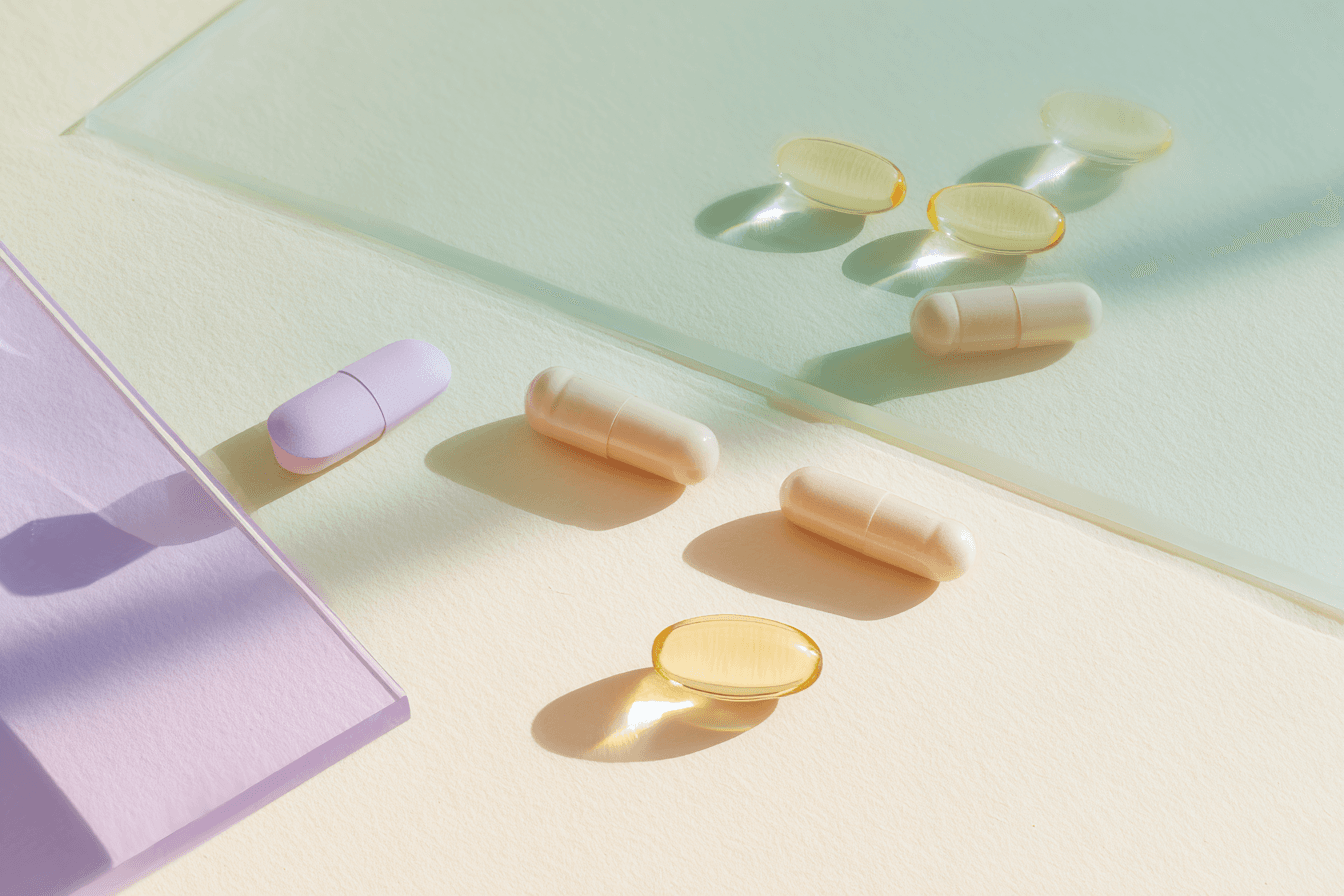
Vitamin C tablets are most often chosen — the dose is precisely determined, and the packaging is convenient to take along. A similar option is vitamin C capsules, which usually have no pronounced taste.
Another alternative is vitamin C powder, which allows more flexible dosing and can be added to a drink. Soluble vitamin C is intended to be dissolved in water — it is often chosen by those who have difficulty swallowing tablets.
Form | Characteristics | Who May Find It More Convenient |
|---|---|---|
Tablets | Fixed dose, compact packaging | For regular daily use and travel |
Capsules | Fixed dose, usually without pronounced taste | For those who dislike the taste of tablets |
Powder | Flexible dosing with a measuring spoon | For those who do not want to swallow tablets |
Soluble tablets | Dissolve in water, often with flavoring | For those who prefer a drink |
Forms for children | Age-adapted, smaller dose | For children — only according to manufacturer’s instructions |
Table 2. Most common forms of vitamin C dietary supplements.
Doses of 500 mg and 1000 mg
Vitamin C 500 mg and vitamin C 1000 mg are often found on the market. These doses are several times higher than the usual daily requirement, so a larger dose does not always mean greater benefit.
When choosing a product, it is important to consider the total amount of vitamin C the body receives during the day from both food and other dietary supplements. For adults in Europe, the tolerable upper intake level is usually stated as approximately 1000 mg per day from all sources, although specific recommendations may vary depending on guidelines and individual circumstances.
Vitamin C Deficiency, Overdose and Safe Use
Vitamin C Deficiency
Vitamin C deficiency can occur if an insufficient amount is consumed over a long period. Risk factors include a very monotonous or severely restricted diet, long-term low consumption of fruits and vegetables, and certain health conditions and lifestyle habits.
Early signs are often nonspecific — fatigue, malaise, and gums that bleed more easily. Severe and prolonged deficiency is rare nowadays, but it can cause serious health problems. If a nutrient deficiency is suspected, it is not recommended to start taking very large doses on your own — first assess your diet and, if necessary, consult a healthcare professional.
Symptoms of Vitamin C Overdose
Since vitamin C is water-soluble, the body mainly excretes excess amounts in urine. However, taking very large doses can cause unwanted reactions.
Symptoms of vitamin C overdose are most often related to the gastrointestinal tract: discomfort, nausea, diarrhea, or abdominal cramps. Long-term use of very large doses in some cases can increase the risk of kidney stones, especially in people with a predisposition to kidney stones.
Therefore, dietary supplements should be used according to the indicated dose, and they are not intended to replace a varied diet.
Vitamin C for Children
Vitamin C for children is needed in smaller amounts than for adults, and the requirement changes with age. Therefore, a child should not be given an adult product with 500 or 1000 mg.
If a child’s diet is varied, fruits, berries, and vegetables usually provide the required amount. If a dietary supplement is still considered, choose a product intended for the specific age and follow the dose indicated by the manufacturer.
How to Choose a Vitamin C Dietary Supplement for Skin Support
What to Look for When Choosing a Product
When choosing a vitamin C dietary supplement, it is recommended to pay attention to several criteria:
- the form of the vitamin and ease of use;
- the amount per serving and the number of servings in the package;
- the recommended daily dose and instructions for use;
- additional ingredients — sugar, sweeteners, flavorings;
- information about the manufacturer and quality control;
- whether the product is needed at all if the diet is already varied.
When comparing offers, people usually notice the price of vitamin C, but it is more useful to calculate costs not per package but per serving, also taking into account the amount of vitamin per serving and the overall composition.
Vitamin C for the Face
Vitamin C is also widely used in cosmetics. Vitamin C for the face is most often found in serums, creams, and other skincare products, where it is used for its antioxidant properties and benefits for the skin.
It is important to distinguish two things: consuming vitamin C with food and using it in cosmetics. A dietary supplement is not intended to be applied to the skin, and for facial care, cosmetic products created specifically for this purpose should be chosen.
Vitamin C in the IQ Beauty Range
If the daily diet does not provide enough vitamin C or a convenient additional source is needed, the IQ Beauty catalog offers various dietary supplements to complement the daily diet.
The choice should be based not only on the dose but also on the form of the product, composition, ease of use, and individual needs — for example, whether the product is intended for an adult or a child and how many times a day they plan to take it.
Conclusion
Vitamin C is a nutrient that the body must receive regularly. It is involved in collagen formation, promotes iron absorption, helps maintain normal immune system function, and provides antioxidant protection.
The easiest way to get it is through a varied diet with vegetables, fruits, and berries. If a dietary supplement is used, evaluate its form, composition, and dose, without exceeding the recommended amount, and choose a product that matches your age and individual needs.
FAQ — Frequently Asked Questions


.png&w=3840&q=75)




Thinking about boosting immunity? Start with a -10% discount!
Get a welcome bonus on your first order of premium nutraceuticals.