Fiber: what it is, which foods contain it and how to take it


Fiber is an important part of a balanced diet. It is found mainly in plant-based foods and helps maintain the normal functioning of the digestive system. Although the human body does not fully digest or absorb it, fiber affects the volume and consistency of intestinal contents and the rhythm of bowel movements.
In everyday life, the easiest way to get fiber in your diet is through vegetables, fruits and berries, legumes, whole-grain products, nuts and seeds. In this article, we will look at what fiber is, which foods contain it, how soluble and insoluble fiber differ, and how to gradually increase its amount in your daily menu.
What is fiber and why does the body need it?
Fiber consists mainly of plant-based carbohydrates that the human digestive system does not fully break down or absorb. Unlike sugar and starch, it is not a quick source of energy. Part of it reaches the large intestine, where it is fermented.
It is an important part of a balanced diet because it helps maintain normal bowel function: it can bind water, increase the volume of intestinal contents and affect their consistency.
For adults, an adequate amount of fiber is generally considered to be at least 25 g per day. The most practical way to get it is to regularly include a variety of plant-based foods in your menu.
It is important to remember that fiber-rich foods usually provide not only fiber, but also vitamins, minerals and other nutrients. That is why a varied diet matters more than taking a single concentrated supplement.
Fiber and the digestive system
Depending on its type, fiber can help increase the volume of intestinal contents, bind water and influence the rhythm of bowel activity. That is why a sufficient amount of fiber in the diet is one of the factors that help maintain the normal functioning of the digestive system.
However, it is not a quick fix for long-term digestive discomfort. If abdominal pain, pronounced bloating, significant changes in bowel movements or other persistent symptoms occur regularly, their cause should be investigated together with a doctor.
Which foods contain fiber?
The main sources of fiber are plant-based foods. Animal-based products – meat, fish, eggs and milk – contain virtually no fiber.
Search engines often show the question “which foods contain fiber”, and the answer is simple: first and foremost, vegetables, fruits, legumes, whole grains, nuts and seeds.
Fiber foods in the daily diet
The most significant sources include:
- vegetables – broccoli, carrots, cabbage, beetroot, pumpkin and other root vegetables;
- fruits and berries – apples, pears, plums, raspberries, blackberries, currants;
- legumes – lentils, beans, peas and chickpeas;
- whole-grain products – rolled oats, buckwheat, barley, whole-grain bread and brown rice;
- seeds – chia, flax, pumpkin and sunflower seeds;
- nuts – almonds, walnuts and hazelnuts.
The more varied the menu, the easier it is to get different forms of fiber. That is why there is no need to look for a single “best” food – a combination of different sources is far more valuable.
Fiber in foods: table
The table below helps you see which foods are rich in fiber. The amounts shown are approximate, as they may vary depending on the variety, origin and method of preparation.
Food | Approximate fiber content | How to include it in your diet |
|---|---|---|
Chia seeds | ~30–35 g / 100 g | in porridges, yogurt, smoothies |
Flaxseeds | ~25–30 g / 100 g | in porridges, yogurt, salads |
Almonds | ~10–13 g / 100 g | as snacks, in porridges, salads |
Rolled oats | ~9–11 g / 100 g | for breakfast, in porridges |
Lentils, dry | ~10–11 g / 100 g | in soups, salads, main courses |
Chickpeas, boiled | ~7–8 g / 100 g | in salads, hummus, main courses |
Raspberries | ~6–7 g / 100 g | for breakfast or as a snack |
Apple with skin | ~2–3 g / 100 g | as a snack |
Broccoli | ~2–3 g / 100 g | as a side dish, in salads, soups |
Carrots | ~2–3 g / 100 g | raw, boiled or roasted |
Beetroot | ~2–3 g / 100 g | in salads or as a side dish |
The most important thing is not to find one food with the highest fiber content. It is better to combine several food groups every day so that the menu stays varied.
Types of fiber: soluble and insoluble fiber
Based on its properties, fiber is often divided into two main groups – soluble and insoluble.
Soluble fiber
On contact with water, soluble fiber can form a gel-like mass. Part of it is fermented in the large intestine. Its sources include, for example, oats, barley, legumes, apples and citrus fruits.
Insoluble fiber
Insoluble fiber does not dissolve in water, but it can bind water and increase the volume of intestinal contents. It is found in whole-grain products, bran, vegetables, nuts and seeds.
| Soluble fiber | Insoluble fiber |
|---|---|---|
Main sources | Oats, barley, legumes, apples, citrus fruits | Whole grains, bran, vegetables, nuts, seeds |
Contact with water | Can form a gel-like mass | Binds water but does not dissolve |
In the digestive tract | Part of it is fermented | Increases the volume of intestinal contents |
Role in the diet | Part of a varied diet | Part of a varied diet |
In everyday life, there is no need to count each type of fiber separately. A varied menu that includes vegetables, fruits, legumes, whole grains, nuts and seeds provides a combination of different forms.
How to gradually increase the amount of fiber in your diet?
If your diet has so far been low in plant-based foods, their amount should not be increased too abruptly. Sudden changes can cause bloating, gas or other discomfort.
Practical steps:
1. Add vegetables to every main meal.
2. Gradually replace white bread with whole-grain bread.
3. For breakfast, choose rolled oats or other whole grains.
4. Include legumes in your menu regularly.
5. For snacks, choose fruits, berries or a small portion of nuts.
6. Increase the amount gradually, allowing your body to adapt.
This is especially important to keep in mind if the amount of fiber in the diet is increased significantly or concentrated fiber products are used.
Fiber powder and capsules
If it is difficult to get the necessary amount from your daily diet, concentrated fiber products are also an option.
Powder is usually added to water, yogurt, porridge or another dish. Its advantage is the ability to control the serving size fairly precisely.
Fiber capsules can be convenient for people who prefer a ready-made serving. When taking them, the manufacturer's instructions must be followed and a sufficient amount of fluid must be consumed.
When choosing a supplement, it is recommended to check:
- what type of fiber the product contains;
- how large one serving is;
- how much fiber one serving contains;
- whether the composition includes added sugars or sweeteners;
- what the manufacturer's instructions for use are.
A dietary supplement is an addition to a balanced diet, not a replacement for a varied one.
Where to buy fiber?
When looking for the most suitable place to buy, the choice is usually between a pharmacy, a health food store and a specialised online shop. The search term “fiber pharmacy” most often refers specifically to ready-made dietary supplements in powder or capsule form, while online shops tend to offer a wider assortment.
Regardless of where you buy it, it is recommended to compare the composition, serving size and amount of fiber per serving, as well as to choose a seller that provides complete product information and names the manufacturer.
Fiber, digestion and weight management
Fiber-rich foods often contain a lot of water and take up more volume, so a meal can be more filling. In addition, foods that naturally contain a lot of fiber are usually less processed and also provide other nutrients.
That is why fiber for weight loss can be a valuable part of a balanced diet. However, on its own it does not cause weight loss. Body weight is influenced by total energy intake and expenditure, eating habits, physical activity, sleep and other individual factors.
When should you consider a fiber supplement?
First of all, it is worth assessing your daily menu. If vegetables, legumes, fruits and whole-grain products appear in it only rarely, taking a supplement alone will not solve the lack of a varied diet.
If your eating habits are already in order but it is difficult to get the necessary amount from food alone, a suitable dietary supplement can be considered.
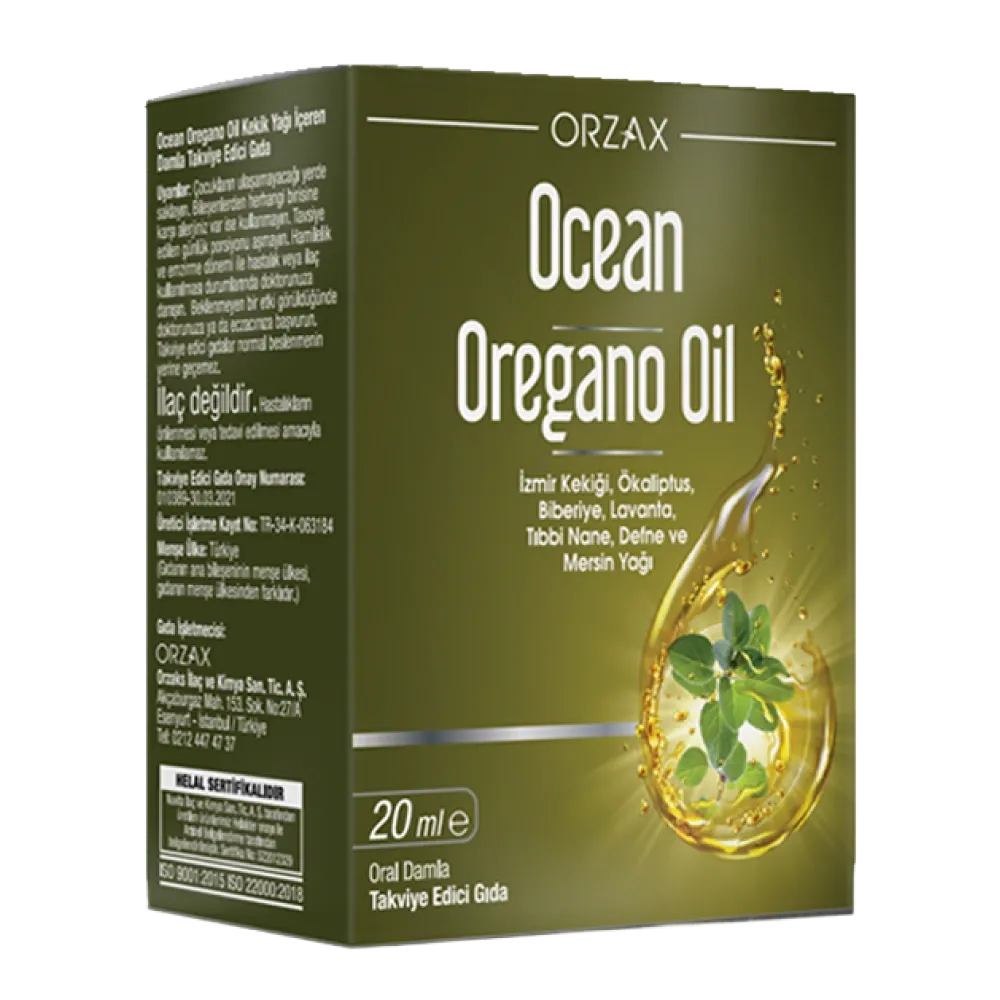
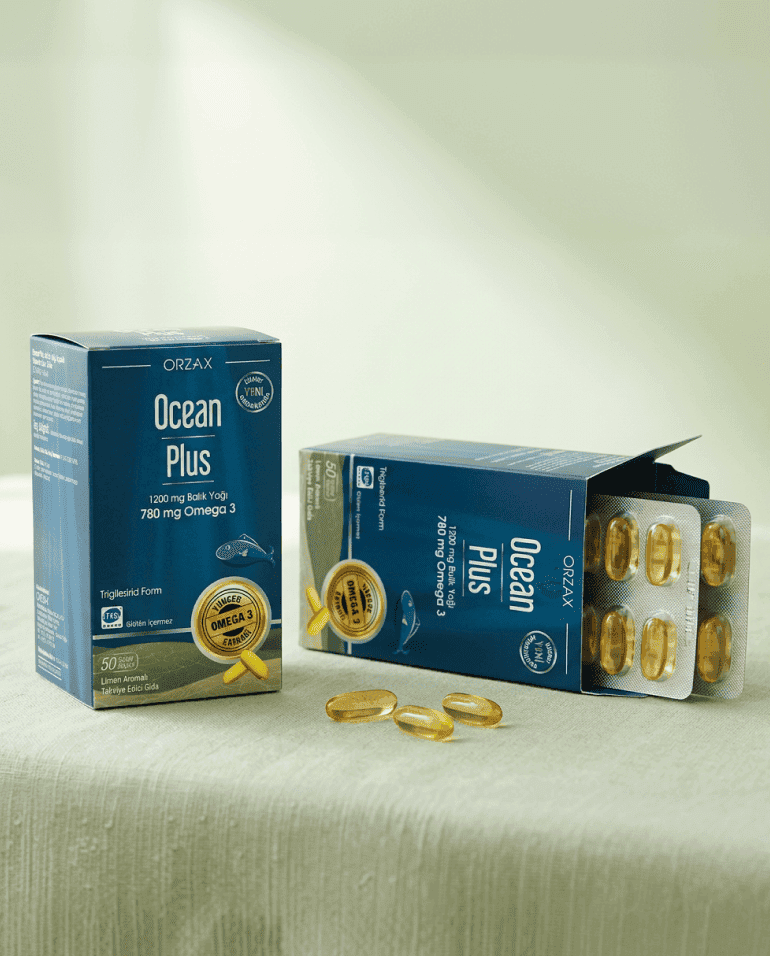
For those looking for additional products specifically in the digestion and gut health category, IQ Beauty also offers Orzax Ocean Oregano Oil. This product is not a source of fiber and does not replace a fiber-rich diet, but it can be viewed as a separate product in the gut health support category.
When choosing any dietary supplement, you should familiarise yourself with its composition and the manufacturer's instructions for use. If you take medication or have specific health problems, the most suitable choice should be discussed with a doctor or pharmacist.
Conclusion
Fiber is an essential part of a balanced diet. The easiest way to get it is through vegetables, fruits and berries, legumes, whole-grain products, nuts and seeds.
To have enough of it in your diet, what matters is not choosing one special food, but a varied menu and a gradual increase in the amount of plant-based foods. At the same time, remember to drink enough fluids.
If an additional solution is needed, you can choose powder or capsules, assessing their composition, serving size and the manufacturer's instructions for use. The IQ Beauty catalogue also offers other dietary supplements to support everyday health and well-being.
FAQ — Frequently Asked Questions



.png&w=3840&q=75)









Thinking about boosting immunity? Start with a -10% discount!
Get a welcome bonus on your first order of premium nutraceuticals.