Zinc: why it is so important for the body and how to get enough of it


Zinc is one of those trace elements we rarely think about in everyday life, even though the immune system, skin and metabolism could not function properly without it. Zinc is not stored in the body in large reserves, so it must be obtained regularly from food. An adequate amount helps maintain natural defenses, healthy skin, hair and nails, as well as normal reproductive function.
In this article we explain how this trace element works, where to find it in the diet, how much adults and children need, why it is often combined with selenium and how to choose a suitable supplement so that you get neither too little nor too much.
What zinc is and why the body needs it
The role of zinc in cells and metabolism
Zinc (chemical symbol Zn) is an essential trace element involved in the functioning of more than 300 enzymes. These enzymes regulate digestion, metabolism, DNA synthesis and cell division. Normal protein synthesis cannot take place without zinc, so it matters at every stage of life — from fetal development to old age.
The adult body contains only about 2–3 grams of zinc in total. Most of it is found in muscles and bones, but significant amounts are also present in the skin, liver, eyes and prostate. Since there is no dedicated "storage depot", zinc has to be replenished every day.
Health claims approved in the European Union confirm that zinc contributes to the normal metabolism of carbohydrates, fatty acids and macronutrients, normal cognitive function, the maintenance of vision and the protection of cells from oxidative stress.
Immune system, skin and hair
One of the best-known functions of zinc is supporting the immune system. It is needed for the development and activity of immune cells, so even a mild but prolonged deficiency can show up as more frequent colds or slower recovery.
Zinc is no less important for skin, hair and nails. It takes part in keratin formation, helps with wound healing and maintains the skin's protective barrier. That is exactly why zinc is often included in beauty complexes and is popular in cosmetics too — for example, zinc oxide in sunscreens and zinc compounds in products for problem skin.
Zinc in foods and the everyday diet
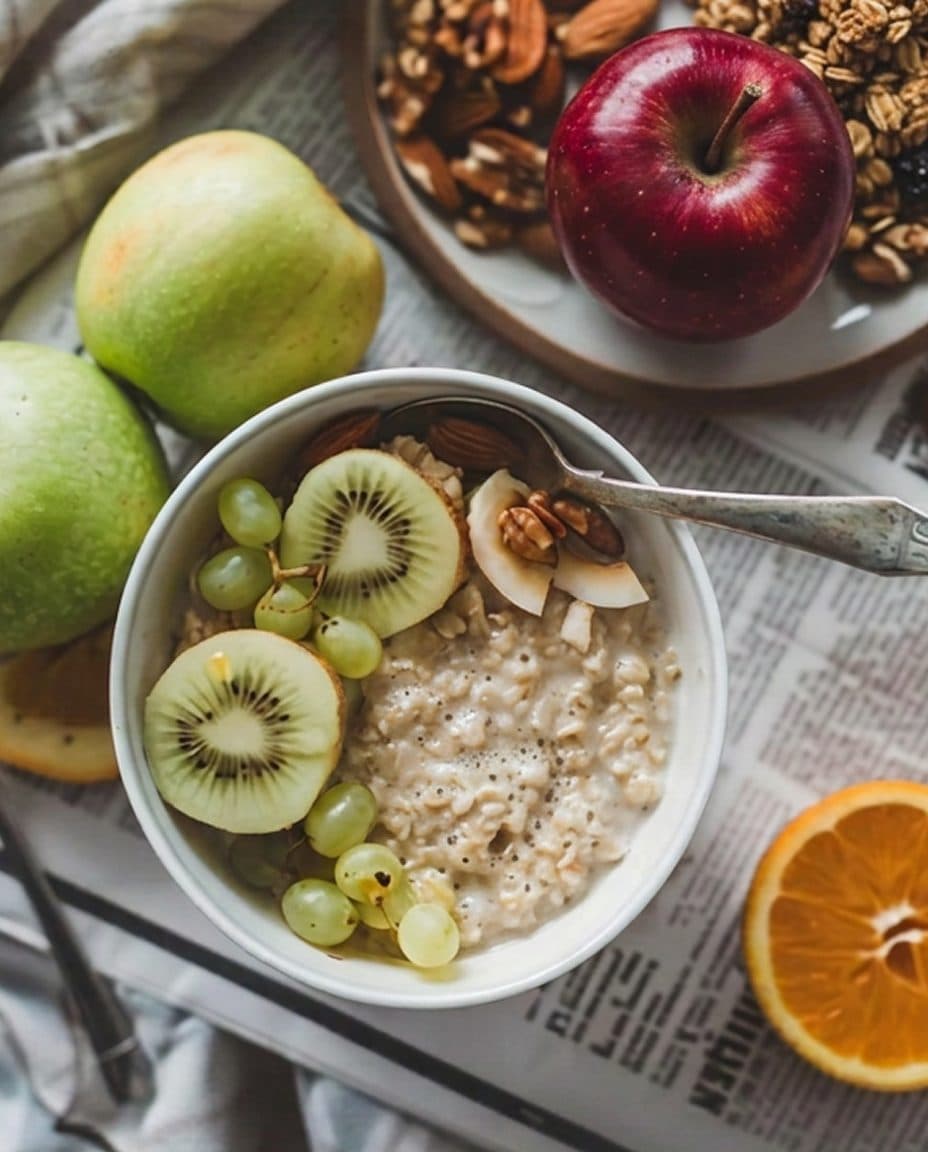
The best way to supply the body with this trace element is a varied diet. Zinc is found mainly in animal-based foods, from which it is absorbed most efficiently. However, good sources can also be found in plant foods.
Which foods contain the most zinc
Food | Zinc, mg/100 g (approx.) |
|---|---|
Oysters | 16–90 (depending on the type) |
Beef | 4–8 |
Pumpkin seeds | 7–8 |
Cashews | 5–6 |
Hard cheese | 3–4 |
Oat flakes | 3–4 |
Lentils (dry) | 3–3.5 |
Chicken meat | 1.5–2.5 |
Eggs | 1–1.5 |
Values are approximate and depend on the type of product and the way it is prepared.
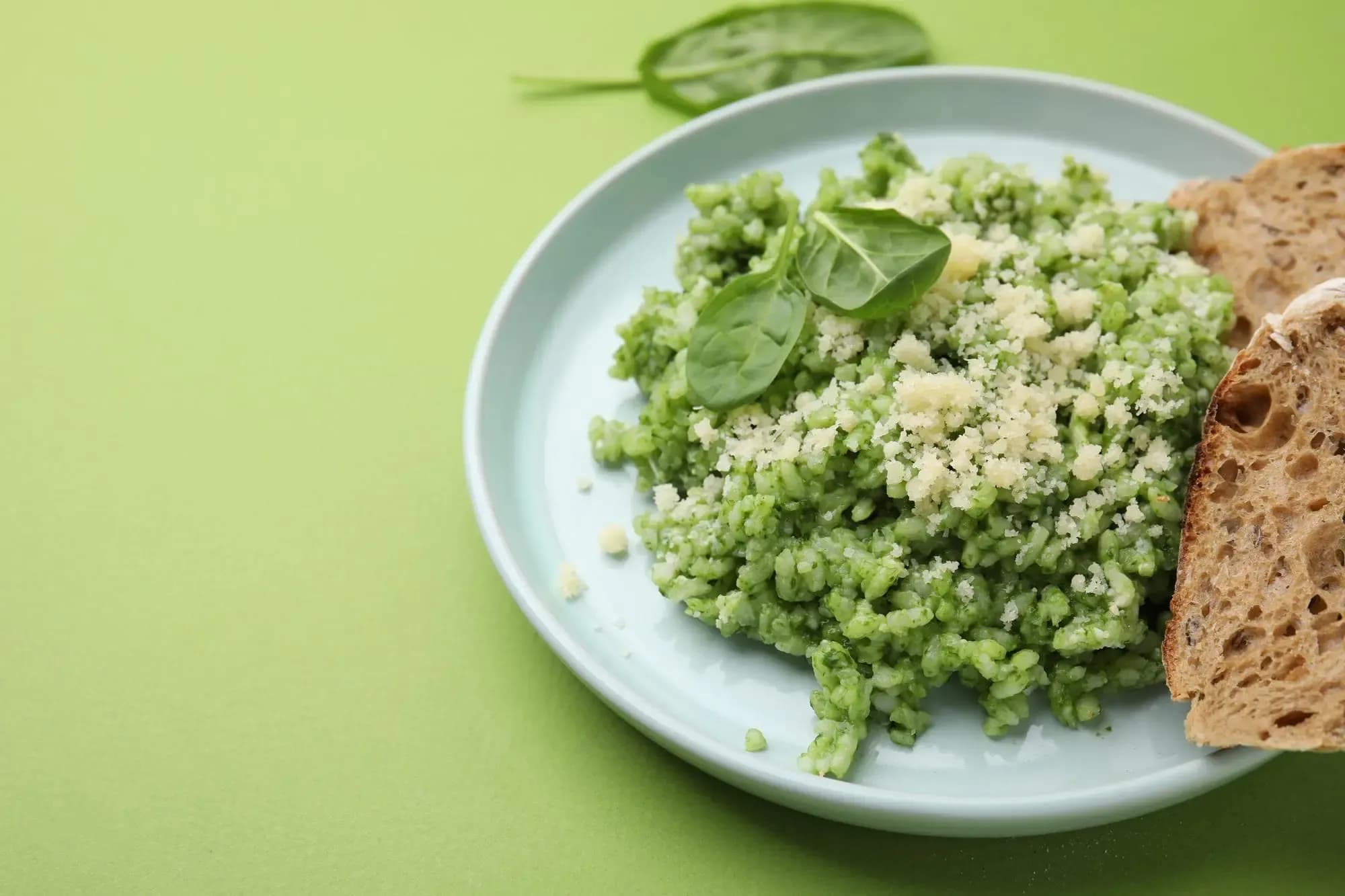
In plant foods, zinc absorption is hindered by phytates — compounds naturally present in grains, legumes and seeds. They bind zinc in the gut, so vegetarians and vegans may need up to 50% more zinc. Soaking legumes, sprouting grains and eating sourdough bread help reduce the phytate content.
Daily zinc requirement
EFSA recommendations for adults take into account not only sex but also the amount of phytates in the diet: the more whole grains and legumes you eat, the more zinc you need. The table also shows the tolerable upper intake level — an amount that should not be exceeded over a long period of time.
Age group | Recommended daily dose | Upper limit |
|---|---|---|
Children 1–3 years | 4.3 mg | 7 mg |
Children 4–6 years | 5.5 mg | 10 mg |
Children 7–10 years | 7.4 mg | 13 mg |
Adolescents 11–14 years | 10.7 mg | 18 mg |
Adolescents 15–17 years | 11.9–14.2 mg | 22 mg |
Women | 7.5–12.7 mg | 25 mg |
Men | 9.4–16.3 mg | 25 mg |
Source: EFSA dietary reference values. The adult range depends on the amount of phytates in the diet.
During pregnancy, about an extra 1.6 mg is needed, and during breastfeeding, 2.9 mg per day. Zinc should primarily come from food, while supplements are useful in situations where the diet does not provide enough.
Benefits for men, children and in combination with selenium
The benefits of zinc are closely tied to whether the body has enough of it. In certain life situations and for certain groups, this trace element is especially important.
Zinc for men
In the prostate and seminal fluid, the zinc concentration is among the highest in the entire body. Zinc helps maintain normal testosterone levels in the blood and contributes to normal fertility and reproductive function — these are EU-approved health claims. In addition, active athletes lose part of this mineral through sweat, so their requirement may be slightly higher.
However, keep in mind: if zinc levels are normal, higher doses do not raise testosterone or improve fertility. The benefit comes from correcting a deficiency.
The importance of zinc for children's growth
Children need zinc for normal growth, bone development, immunity and cognitive functions. During periods of rapid growth the requirement increases, and in picky eaters with a narrow diet, food does not always meet it.
Meat, fish, eggs, cheese, oatmeal and legumes help incorporate zinc into a child's diet. If a supplement is nevertheless being considered, choose a product intended for the child's age. Adult doses are not given to children — as the table shows, the upper limit for a small child is only 7–10 mg per day.
Zinc and selenium synergy
Selenium is another trace element needed in small amounts but of great importance. It contributes to normal thyroid function, immune system functions and normal spermatogenesis, and it also protects cells from oxidative stress. In many parts of Europe the soils are poor in selenium, so its content in food can vary considerably.
Both minerals share common functions — immune support, antioxidant protection and male reproductive health. That is why zinc and selenium are combined in many health complexes, and search engines often show queries like "selenium zinc" or "zinc vitamins".
The combination makes sense, but it does not mean everyone needs both. The tolerable upper intake level of selenium for adults is 255 µg per day. Its main sources are fish, seafood, eggs and Brazil nuts; just one or two nuts can already cover the daily requirement.
Complexes for male reproductive health
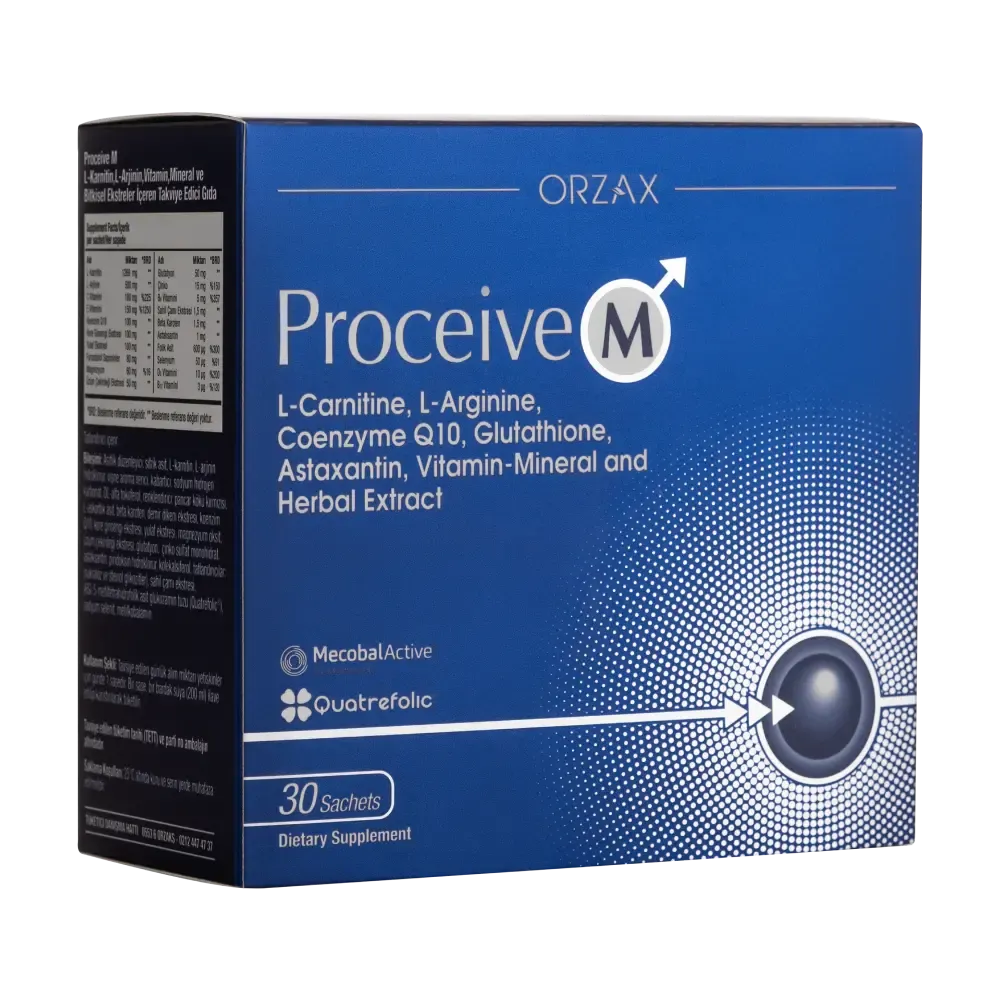
If the diet does not provide enough, or if you are planning a pregnancy, a practical solution can be a complex in which selenium and zinc are already balanced together with other substances. In the IQ Beauty catalog, that is Orzax Proceive M — a vitamin and mineral complex supporting male fertility, containing zinc, selenium, L-carnitine, coenzyme Q10, folate in its active form and vitamin D3. The powder dissolves easily in water, so it fits easily into a daily routine.
Before taking the complex, check whether you are already using other products containing zinc or selenium, so that the total dose does not exceed safe limits. You will find a wider selection in the men's section of the IQ Beauty catalog.
Zinc deficiency, excess and choosing a supplement
When the body lacks zinc
In developed countries, pronounced deficiency is not common, but the risk is higher for certain groups:
- vegetarians and vegans;
- pregnant and breastfeeding women;
- older adults;
- people with gastrointestinal diseases, such as celiac disease;
- people who regularly consume alcohol;
- athletes with heavy physical exertion.
Possible signs include reduced appetite, changes in taste and smell, hair loss, brittle nails, dry skin, slow wound healing and more frequent infections. These symptoms are nonspecific, so if a deficiency is suspected, it is best to consult a doctor. Blood levels can be determined by testing, although they do not always accurately reflect the total amount in the tissues.
Too much zinc
Elevated zinc most often results not from food but from supplements — especially when several products with similar compositions are taken at the same time. Too large a single dose can cause nausea, vomiting, abdominal pain and headache.
When more than 25 mg per day is taken over a long period, zinc interferes with copper absorption. This can lead to copper deficiency, anemia and even weakened immune function — the opposite of the intended effect. Therefore, when taking multivitamins and a separate zinc preparation, you should always add up the total dose.
Supplement forms
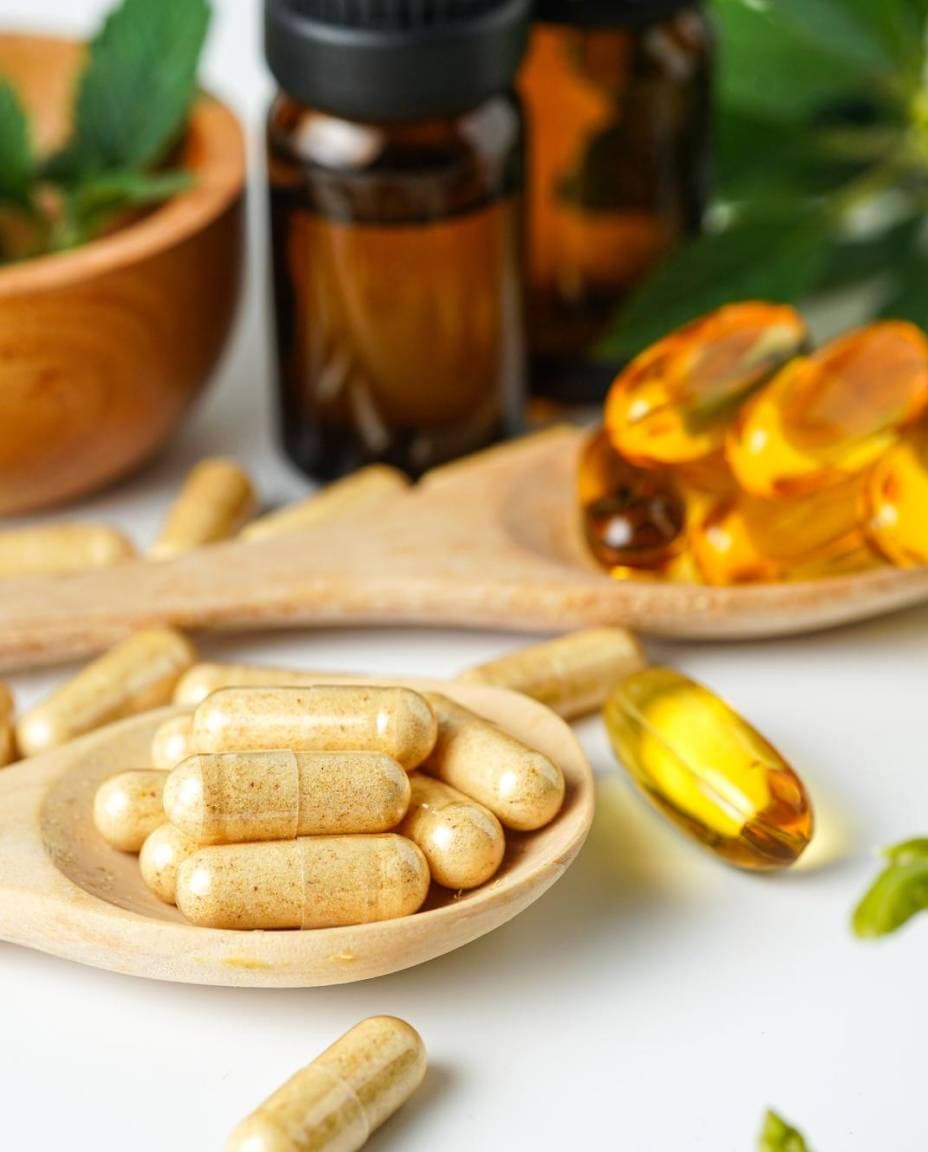
Zinc tablets and capsules are chosen most often, but lozenges, liquid forms and powders within complexes are also available. The form of the compound matters just as much as the form of the product:
- zinc gluconate – widely available and well tolerated;
- zinc citrate – good absorption, gentle on the stomach;
- zinc picolinate and bisglycinate – organic forms with good bioavailability;
- zinc sulfate – an inorganic form, often found in complexes;
- zinc oxide – contains a lot of elemental zinc but is absorbed less well.
On the packaging, look for the amount of elemental zinc. For example, 50 mg of zinc gluconate contains only about 7 mg of elemental zinc, so products should be compared by this figure.
How to compare offers and prices
If you type "buy zinc" into a search engine, dozens of offers from pharmacies and online stores will appear. The price of zinc can range from a few to several dozen euros, but the cheapest package is not always the best value. Compare:
- the price per daily dose, not per package;
- the amount of elemental zinc per dose;
- the form of the compound;
- additional ingredients — whether the product duplicates the composition of a complex you already take;
- the manufacturer's quality standards (GMP, ISO) and the expiration date.
Complex products with several active substances usually cost more, but they can replace several separate supplements.
How to take zinc correctly
Zinc is best absorbed on an empty stomach — one hour before or two hours after eating. If it causes nausea, it can be taken with food, avoiding foods high in phytates. Large doses of iron or calcium should not be taken at the same time as zinc, as they compete for absorption. Certain antibiotics (tetracyclines, quinolones) and zinc should also be taken at least two hours apart. Long-term use at high doses should be coordinated with a doctor or pharmacist.
Conclusion
Zinc is a trace element without which the immune system, skin, metabolism and reproductive system cannot function properly. Most of the required amount can be obtained from meat, seafood, cheese, eggs, seeds and legumes. Selenium and zinc complement each other well, which is why they are often found together in complexes.
When choosing a supplement, evaluate the amount of elemental zinc, the form and the price per daily dose, and do not forget about the upper safe limit. A thoughtful approach will help you gain the benefit without risking excess.
FAQ — Frequently Asked Questions


.png&w=3840&q=75)





Thinking about boosting immunity? Start with a -10% discount!
Get a welcome bonus on your first order of premium nutraceuticals.