Selenium: Role in the Body and How to Get Enough


Selenium is a trace element the body needs in very small amounts — it is measured in micrograms — yet without it, neither the thyroid nor the immune system can function properly. The body does not produce it on its own, so the entire required amount must come from food or, if that is not enough, from supplements.
In this article we explain what functions this trace element performs, how much of it is needed per day, which foods are the best sources, how to recognize the risk of deficiency and what to pay attention to when choosing a supplement — including in combination with zinc.
The role and benefits of selenium
Selenium does not act in the body on its own — it is built into special proteins called selenoproteins. Humans have 25 of them: some are antioxidant enzymes (such as glutathione peroxidases), others take part in the activation of thyroid hormones, DNA synthesis and reproductive processes.
Why is selenium so important for health? Health claims approved in the European Union confirm that this trace element:
- contributes to normal thyroid function;
- contributes to the normal function of the immune system;
- helps protect cells from oxidative stress;
- helps maintain normal hair and nails;
- contributes to normal spermatogenesis.
An important nuance: these benefits relate to adequate intake, not to large doses. If selenium is already sufficient, an additional amount brings no benefit, and an excessive one does harm.
Dietary sources and the required amount
Which foods contain the most selenium
If you ask which foods contain selenium, the short answer is this: the most is found in Brazil nuts, fish, seafood, meat and eggs, less in grains and dairy products. This trace element is bound to proteins, so protein-rich foods are usually its best sources as well.
Food | Serving | Selenium (approx.) |
|---|---|---|
Brazil nuts | 1 nut (~5 g) | 70–90 µg |
Tuna, cooked | 85 g | 90 µg |
Sardines, canned | 85 g | 45 µg |
Shrimp, cooked | 85 g | 40 µg |
Beef or pork | 85 g | 35–37 µg |
Chicken fillet | 85 g | 22 µg |
Cottage cheese | 1 cup (~225 g) | 20 µg |
Egg, boiled | 1 large | 15 µg |
Brown rice, cooked | 1 cup | 12 µg |
Whole-grain bread | 1 slice | 8 µg |
Source: US National Institutes of Health Office of Dietary Supplements (NIH ODS), USDA FoodData Central data.
Selenium in food is present mainly in the form of organic compounds, and the body absorbs it well. With Brazil nuts, however, caution is needed: one nut a day already covers an adult's requirement, while a handful every day can lead to excessive intake.
How much selenium is needed per day
The European Food Safety Authority (EFSA) has set an adequate intake of 70 µg per day for adults. The daily selenium dose depends on age:
- children aged 1–3 years – 15 µg;
- children aged 4–6 years – 20 µg;
- children aged 7–10 years – 35 µg;
- adolescents aged 11–14 years – 55 µg;
- adolescents from 15 years, adults and pregnant women – 70 µg;
- breastfeeding women – 85 µg.
On supplement labels you will see another figure – 55 µg. That is the nutrient reference value (NRV) used in EU labeling, from which percentages are calculated.
The upper limit – 255 µg per day for adults, including pregnant and breastfeeding women – was set by EFSA in 2023. When it is exceeded over a long period, selenosis develops: hair falls out, nails become brittle, a garlic odor appears on the breath, a metallic taste in the mouth, and nausea and fatigue are possible.
When selenium is lacking: signs and the thyroid
Risk groups and possible signs
Pronounced selenium deficiency is rare in Europe, but in several European countries the average intake is low because the soil – and therefore local produce – contains little of this element. The risk is higher for:
- vegans and people with a very monotonous diet;
- people with intestinal diseases that impair nutrient absorption;
- patients undergoing long-term hemodialysis;
- smokers – their blood selenium levels are usually lower.
The signs are nonspecific: fatigue, muscle weakness, more frequent colds, hair loss, brittle nails. The same complaints are caused by iron deficiency or thyroid dysfunction, so conclusions cannot be drawn from how you feel alone. If the symptoms persist, selenium levels can be determined with a blood test – it is worth discussing this with your family doctor rather than increasing the dose on your own initiative.
Why the thyroid needs selenium
The concentration of selenium in the thyroid is higher than in any other organ. The enzymes that convert the inactive hormone T4 into the active T3 are selenoproteins, and other selenoproteins protect the gland's cells from hydrogen peroxide produced during hormone synthesis.
That is why selenium for the thyroid is just as essential as iodine. However, this does not mean that a supplement treats thyroid diseases: if hypothyroidism or autoimmune thyroiditis has been diagnosed, an endocrinologist decides on the use of selenium and the dose. Research data in this area remain conflicting.
Selenium Forms, Combination with Zinc, and How to Choose a Supplement
Organic and inorganic forms
Supplements use two types of compounds. Organic selenium is bound to amino acids — these are L-selenomethionine and selenium-enriched yeast. The inorganic forms are sodium selenite and selenate. "Bio selenium" in retail usually refers to products of the organic form, but that is a marketing label, not a quality standard.
Form | Type | Characteristics |
|---|---|---|
L-selenomethionine | Organic | The same form that dominates in food; builds into body proteins and creates a reserve |
Selenium-enriched yeast | Organic | Contains mainly selenomethionine; properties are similar |
Sodium selenite | Inorganic | Does not create a reserve; used directly for selenoprotein synthesis; often found in vitamin and mineral complexes |
Sodium selenate | Inorganic | Properties similar to selenite; excess is excreted in urine |
The body absorbs all four forms well — up to about 90% (NIH ODS data).
Why selenium is often combined with zinc
Both trace elements act in similar directions: they contribute to the normal function of the immune system, help protect cells from oxidative stress and maintain the condition of hair and nails. Zinc is additionally needed for the skin, vision and protein synthesis. That is why zinc and selenium in one formula is a logical combination in which the substances complement each other.
The combination "zinc and selenium for health" is chosen especially often in the autumn and winter season, when immune support matters, as well as by couples planning a pregnancy: zinc contributes to normal fertility and reproduction, and selenium to normal spermatogenesis. Read more about the other trace element in the article Zinc: why it is so important for the body.
In pharmacies and online stores, selenium and zinc vitamins are available both as two-substance tablets and as part of broader complexes. In both cases, add up the total dose from all products you take: the upper limit for zinc in adults is 25 mg per day.
How to choose a selenium supplement
Before buying, check four things.
- Form. The label should state the specific compound, not just a general name.
- Dose. For daily use, 50–100 µg is usually enough; together with food, 255 µg should not be regularly exceeded.
- Composition. If you choose a complex containing selenium and zinc, check the amounts of both substances and whether they duplicate your other supplements.
- Cost. The query "selenium price" in a search engine shows a wide range, so compare the cost of one daily dose, not the price of the package.
Well-known names on the Latvian market are bio selēns cinks and biostims selēns. Evaluate them like any other product — by form, dose and composition, not by name.
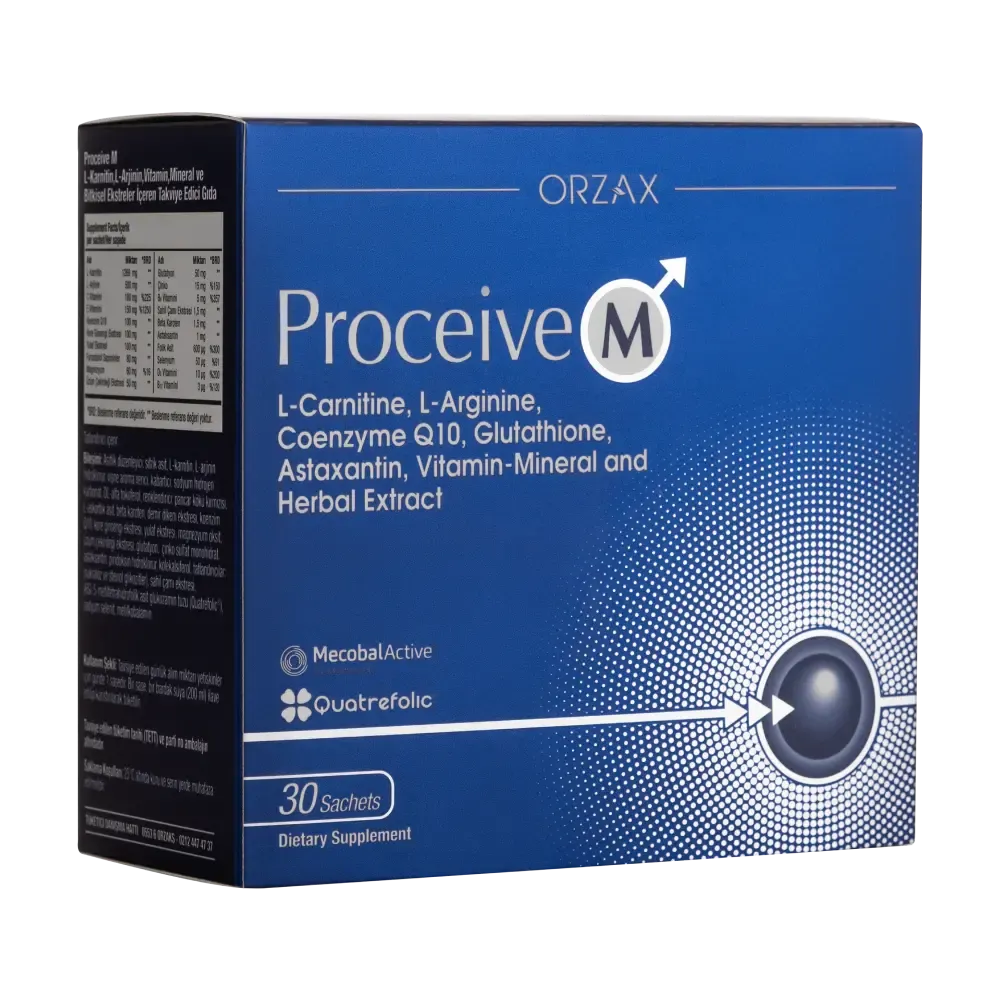
In the IQ Beauty range, both trace elements are included in Orzax complexes for couples planning a pregnancy: Proceive M for men and Proceive F for women. Each sachet contains 50 µg of selenium and 15 mg of zinc, as well as the active form of folate, coenzyme Q10 and vitamins C, D3, B6 and B12. It is a convenient solution when what you need is not a single trace element but a well-designed complex in one dose.
Conclusion
Selenium is needed for the normal function of the thyroid and immune system, cell protection, hair and nails. An adult needs 70 µg per day, and most of it can be obtained from fish, eggs, meat and whole-grain products. Pronounced deficiency is not common in Europe, but for risk groups a supplement can be useful. When choosing one, look at the form, dose and composition, and remember the upper limit — 255 µg per day.
A food supplement does not replace a complete and balanced diet.
FAQ — Frequently Asked Questions





.png&w=3840&q=75)







Thinking about boosting immunity? Start with a -10% discount!
Get a welcome bonus on your first order of premium nutraceuticals.