Creatine – what it is, how it works and who needs it


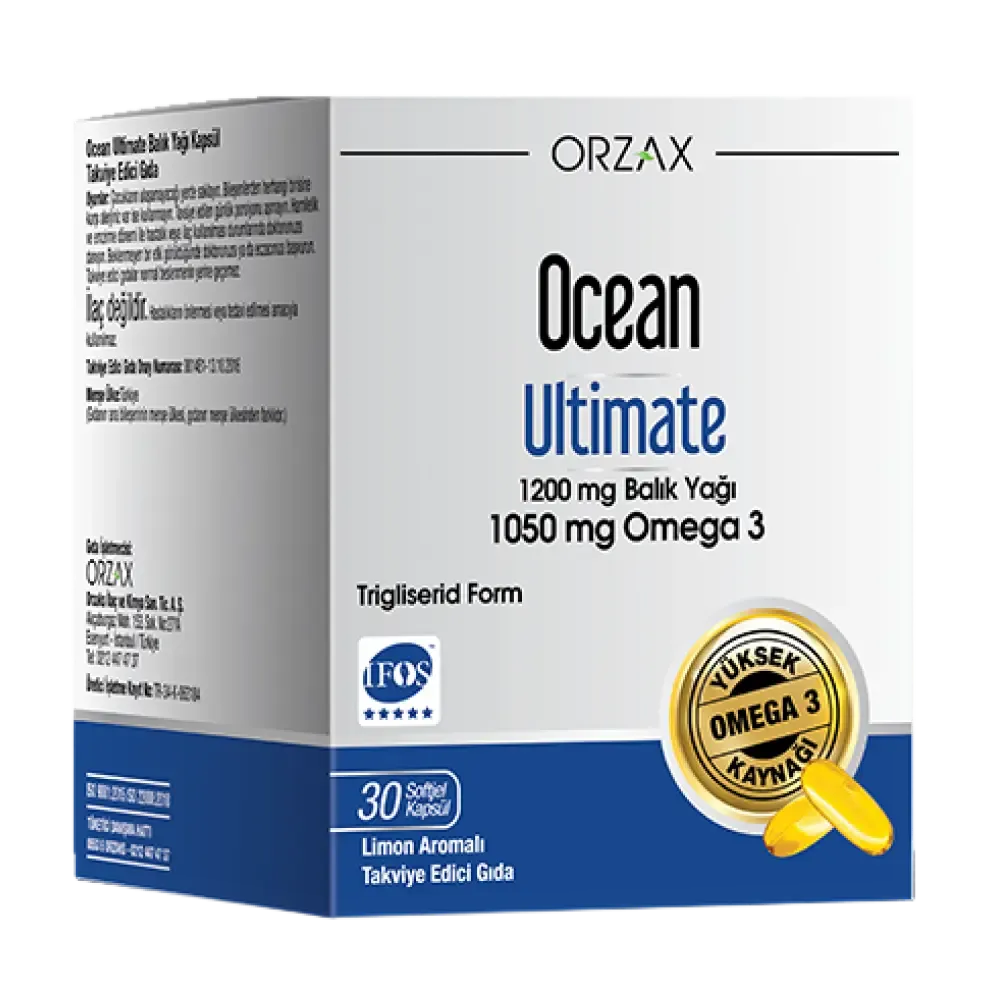
Creatine is one of the most researched nutrients in sports nutrition. It occurs naturally in the human body and is stored mainly in skeletal muscles, where it helps provide rapid energy during physical exertion. The body can synthesize it on its own, and small amounts can also be obtained from food, mostly from animal-based products.
Interest in this substance has grown particularly among people who do strength training, sprinting, team sports or other activities that require short, intense bursts of muscle work. However, it is not intended only for professional athletes – it is also chosen by people with an active lifestyle who want to support their physical performance and training process.
In this article, we will look at how this substance works in the body, what role it plays in sports, how different forms differ, how daily intake works and what to pay attention to when choosing a specific product.
Creatine and how it works in the body
To understand why some people benefit from a dietary supplement, it is first necessary to understand what this substance does in the body and how it differs from other sports nutrition products.
The main role: fast energy in muscle cells
Creatine is a nitrogen-containing organic compound that is closely linked to energy metabolism in the body. In muscle cells, it is stored mainly in the form of phosphocreatine. During intense exercise, phosphocreatine helps quickly restore adenosine triphosphate, or ATP – the molecule cells use to supply energy.
Put simply, the creatine–phosphocreatine system helps the body supply energy faster during short, very intense moments of exertion. This matters in activities where high power output is needed within a few seconds – for example, during repeated sets with weights or sprint segments.
What does creatine do?
In practical terms, research shows that regular intake combined with training can help improve performance in strength and high-intensity exercise. That is exactly why this substance is popular among people who want to progress in strength training and other intense physical activities.
At the same time, it is important to understand that it is not a stimulant. It does not work like caffeine and does not create an instant feeling of energy or alertness. Its effect is linked to a gradual increase of stores in the muscles, so consistency matters – not a single dose taken before a workout.
How the body gets it every day
The body synthesizes part of it itself from amino acids, while another part comes from food – mostly meat and fish. For people who follow a predominantly plant-based diet, natural intake from food is usually lower, so interest in an additional source may be greater.
Muscle stores are not unlimited: once they are full, the excess is simply excreted from the body. That is exactly why a larger dose does not mean a faster or more pronounced result.
Creatine in sports and during intense physical exercise
This substance is most often associated with sports, because its role is particularly important in activities that require repeated short and intense periods of effort. This can be relevant in weightlifting, fitness, sprinting, combat sports, team sports and other disciplines.
Strength training and energy recovery
Strength training is one example where muscles expend a large amount of energy in a short period of time. The phosphocreatine system helps restore ATP quickly between repetitions and sets, so adequate muscle stores can support the ability to sustain high-intensity effort throughout the entire workout.
Regular intake combined with a structured training program can help achieve better results. However, sleep, overall diet, load planning and recovery have an equally significant impact. No supplement can replace systematic work in the gym.
Who may find it relevant
Additional intake most often interests people who:
- regularly do strength training or high-intensity interval training;
- engage in sprinting, combat or team sports;
- combine cardio and strength training several times a week;
- want to maintain physical performance while leading an active lifestyle;
- eat little meat and fish.
In endurance sports, its significance may differ – the benefits are most pronounced in efforts that require short-term high power output. It is also worth remembering that this is a supplement, not a substitute for a complete diet.
Comparing forms and usage
Store shelves offer dozens of products whose composition, chemical form and price differ significantly. That is why choosing based only on packaging design or a friend's recommendation is not the best approach – it is far more important to understand which form the product contains and how convenient it will be to take every day.
Creatine monohydrate – the most researched form
This is one of the most widely used and best-researched forms. The name monohydrate indicates that the active substance is bound to a water molecule. For this very reason, when choosing their first product, many athletes prefer a simple composition without unnecessary additional ingredients.
Other chemical forms can also be found on the market, but they are usually less researched and more expensive. A comparison can help clarify the differences:
Form | Description | Who it may suit | Convenience |
|---|---|---|---|
Creatine monohydrate powder | The most researched form, simple composition, good value per serving | Those who train at home or in the gym and also use other powdered products | Requires liquid and a measuring scoop |
Creatine monohydrate capsules | The same active substance in pre-divided servings | Those who travel often or do not want to mix powder | Very convenient, no extra containers needed |
Other chemical forms | For example, hydrochloride or malate; usually less researched and more expensive | Those for whom the standard form causes discomfort | Depends on the product |
Choosing a form is mainly a question of convenience. What matters most is not the product name, but the amount of active substance per serving and how convenient it will be to take over a longer period of time.
Taking creatine – consistency and daily dose
Intake is usually based on a daily principle, not just training days. This matters because the effect is based on gradually increasing stores in the muscles, which takes time.
Taking creatine monohydrate does not have to be tied to a specific time of day. It can be taken whenever it is convenient – for example, with a meal or after a workout. The recommended daily dose should always be checked on the packaging of the specific product, as the amount of active substance per serving varies between manufacturers.
Some sports nutrition protocols use the so-called loading phase, where a larger amount is taken over a short period of time. However, it is not mandatory: a regular standard dose also increases muscle stores over time, just a little more slowly.
It is worth noting that intake may be associated with a small increase in body weight, as the amount of water in muscle cells increases. This is not the same as gaining fat mass.
Creatine capsules or powder?
Capsules are a convenient solution for people who do not want to mix powder, are often away from home or travel a lot. In this case, the serving is already divided, so there is no need to think about measuring scoops and extra containers.
Powder, in turn, makes it easier to adjust the serving size and is often more cost-effective per serving. It can be added to water, juice or a shake that already contains protein powder. In both cases, the result is determined not by the form, but by consistency.
Use by women and safety issues
Many myths have formed around this topic, so it is worth looking separately both at use by women and at possible effects on well-being.
Creatine for women – is it needed?
For women, this substance can be just as relevant as for men, especially when a woman regularly does strength or high-intensity training. The female body uses exactly the same creatine–phosphocreatine system that provides fast energy in muscle cells.
This supplement can be interesting as an addition to a training program if the goal is to improve performance in strength and high-intensity physical activities. Concerns that the supplement by itself will create bulky musculature are usually unfounded: changes in muscle mass are determined mainly by the type of training, overall diet and individual characteristics of the body.
However, in the case of pregnancy, breastfeeding, chronic illnesses or regular medication use, taking supplements should be discussed with a doctor in advance.
Creatine side effects – what to know
This substance is considered one of the best-researched sports nutrition supplements, and for healthy adults at recommended doses it is generally considered well tolerated. The most commonly mentioned discomfort is related to the digestive tract, especially when a very large amount is taken at once or with too little liquid. Possible complaints:
- a feeling of heaviness or bloating in the stomach;
- nausea when taking a large dose at once;
- stomach discomfort or, less often, diarrhea;
- temporary weight gain due to water retention.
It is important to choose a quality product, follow the manufacturer's instructions and drink enough liquid during the day. If a person has kidney disease or other serious health problems, a doctor's consultation is necessary before starting use.
How to choose a product and how it differs from other supplements
Choosing will be easier if you know in advance what to look for on the label and what role the product plays in your overall nutrition plan.
The best creatine – which criteria to assess
The best product is not necessarily the most expensive one on the shelf. Before buying, it is recommended to check:
- the chemical form used and how well it has been researched;
- the amount of active substance per serving;
- purity of ingredients and the number of additional additives;
- the manufacturer's reputation and the product's origin;
- usage instructions and the recommended daily dose;
- the expiration date and packaging quality.
It is also useful to compare the price per serving rather than per package as a whole. A large package is not always better value if each serving contains less of the active substance.
Creatine for health and an active lifestyle
This is not a universal solution, and it should not be seen as a substitute for a balanced diet or medical care. Depending on individual goals, a nutrition plan may also include protein products, electrolytes, vitamins, minerals and other supplements.
They are not interchangeable: protein supplies the body with protein, electrolytes help maintain fluid balance, while creatine monohydrate is linked to energy metabolism in muscle cells. That is why it is more sensible to think about the overall plan rather than look for one universal product.
IQ Beauty products to support an active lifestyle
In the IQ Beauty product range, people with an active lifestyle can choose products that supplement their daily diet with various nutrients important for the body. When choosing, it is especially important to look at the composition and pick a solution that matches the specific training regimen and the goals set.
If the goal is long-term progress, the product should be chosen so that it is convenient to take every day for several months – it is consistency, not individual doses, that determines the result.
Conclusion
Creatine is a natural component of the body's energy metabolism system and one of the most researched sports nutrition supplements. It is particularly important in short and intense physical efforts that require rapid energy availability.
The most widely used form is creatine monohydrate, whose advantages are extensive scientific research and simple everyday use. To achieve the desired effect, consistency, a balanced diet, appropriate physical exercise and sufficient recovery are important.
Such a supplement can be suitable for both men and women with an active lifestyle. When choosing a product, it is important to pay attention to composition, quality and usage instructions. If there are chronic health problems, pregnancy, breastfeeding or medication use, it is recommended to consult a healthcare professional before taking the supplement.
FAQ — Frequently Asked Questions




.png&w=3840&q=75)







Thinking about boosting immunity? Start with a -10% discount!
Get a welcome bonus on your first order of premium nutraceuticals.